Maintenance strategy reserve planning is the integrated approach to managing both day-to-day operational maintenance and long-term capital expenditures for condominium corporations. This comprehensive framework recognizes that maintenance strategy focuses on routine upkeep funded through operating budgets, while reserve planning addresses major capital replacements through systematic reserve fund contributions. For condominium boards in Alberta, understanding how maintenance strategy reserve planning works together is essential for ensuring both immediate functionality and long-term financial health of their properties.Need a Reserve Fund Study in Edmonton?
Brookstone Engineering is a reserve fund study provider with in-house APEGA-licensed Professional Engineers (P.Eng.). Request a Reserve Fund Study Quote (Edmonton)
Many condominium corporations struggle with confusion between these two critical planning processes, often leading to underfunded reserves, deferred maintenance, and financial challenges. While maintenance strategy deals with ongoing care and minor repairs that keep a building operating smoothly, reserve planning prepares for major capital expenditures like roof replacements, building envelope repairs, and mechanical system overhauls. Both are essential components of effective maintenance strategy reserve planning, but they serve different purposes, require different funding approaches, and follow different planning timelines.
What is the Core Difference Between Maintenance Strategy Reserve Planning Components?
The fundamental distinction in maintenance strategy reserve planning lies in scope, timeframe, and funding mechanisms. Maintenance strategy encompasses all day-to-day activities, routine repairs, and preventive measures that keep a condominium property functioning properly. This includes activities like landscaping, snow removal, cleaning common areas, changing light bulbs, minor plumbing repairs, and regular HVAC filter changes. These expenses are typically funded through the operating budget, which is supported by monthly condominium fees.
Reserve planning, by contrast, focuses exclusively on major capital expenditures—significant repairs or replacements of building components that occur infrequently but involve substantial costs. In Alberta, the Condominium Property Act requires all condominium corporations to establish and maintain a reserve fund specifically for these major capital items. Effective maintenance strategy reserve planning involves creating a comprehensive reserve fund study that inventories all major building components, estimates their remaining useful lives, projects replacement costs, and determines appropriate funding levels.Operating Budget vs. Reserve Fund
The operating budget covers predictable, recurring expenses that occur within the fiscal year. In Alberta condominiums, typical operating budget items include:
- Utilities: Electricity, natural gas, water, and sewer services for common areas
- Insurance: Property and liability coverage
- Management fees: Professional condominium management services
- Routine maintenance: Regular cleaning, landscaping, snow removal, and minor repairs
- Administrative costs: Legal fees, banking charges, and office supplies
- Contracted services: Elevator maintenance contracts, security services, and pest control
The reserve fund, however, is exclusively designated for major repairs and replacements with useful lives exceeding one year. Alberta regulations prohibit using reserve funds for operating expenses without owner approval, maintaining a clear separation between these two financial streams. Our reserve fund study services help corporations understand exactly which expenditures belong in each category of maintenance strategy reserve planning.
Integration of Both Planning Approaches
Successful maintenance strategy reserve planning requires understanding how these two components interact. Decisions made in one area directly impact the other. For instance, investing more in preventive maintenance today can extend component lifecycles and reduce future reserve fund requirements. Conversely, neglecting routine maintenance accelerates deterioration, triggering premature capital replacements that strain reserve funds.
Alberta condominium boards must view maintenance strategy reserve planning as a unified system rather than separate activities. This integrated perspective ensures optimal allocation of resources across both immediate operational needs and long-term capital requirements.
How Does Preventive Maintenance Impact Reserve Fund Requirements?
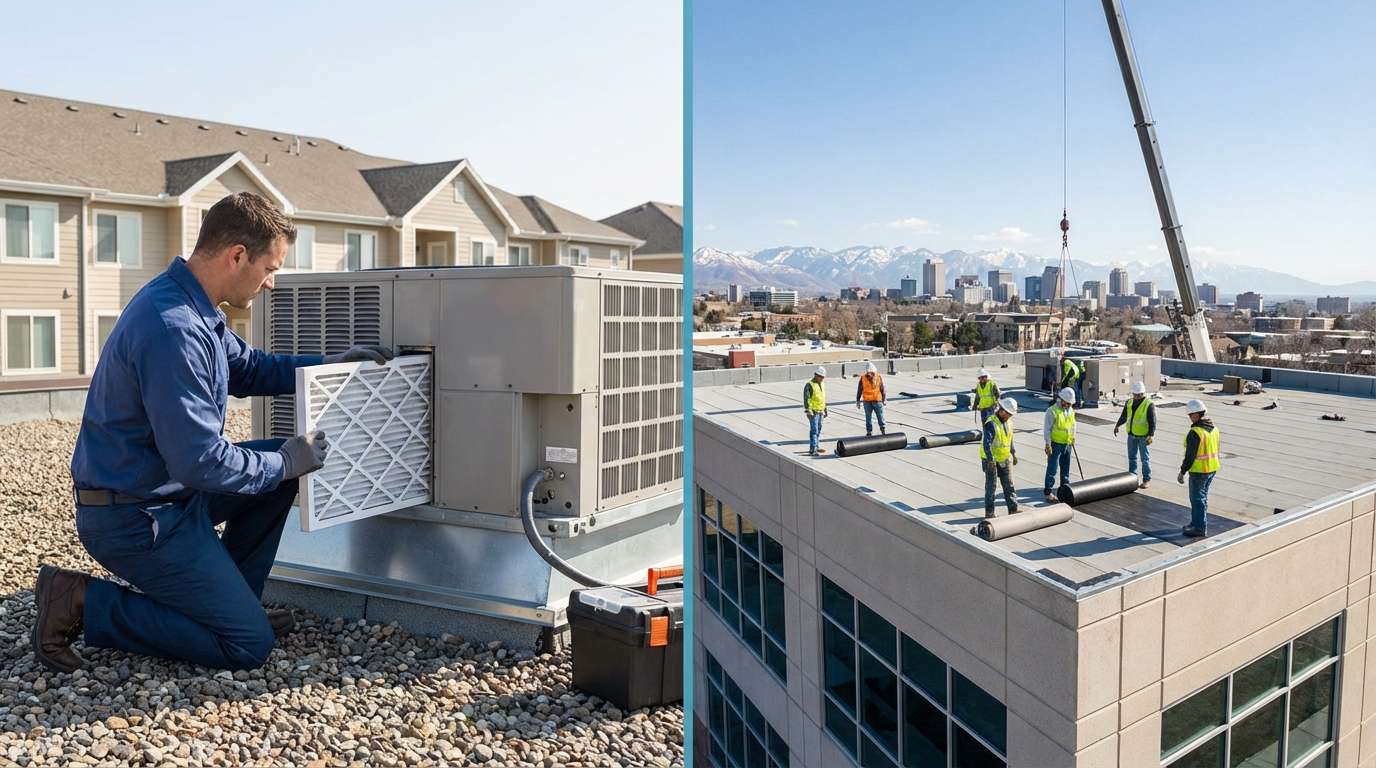
Preventive maintenance creates powerful synergy within maintenance strategy reserve planning. A well-executed preventive maintenance program significantly extends the useful life of building components, directly impacting reserve fund requirements and reducing long-term capital costs for Alberta condominium corporations.
The Life-Cycle Extension Effect
When condominium corporations implement comprehensive preventive maintenance programs as part of their maintenance strategy reserve planning, they often discover that major building components last considerably longer than standard useful life estimates used in reserve fund studies. For example:
- Roofing systems: Regular inspections, minor repairs, and debris removal can extend a roof's life by 5-10 years beyond typical estimates
- Mechanical systems: Scheduled filter changes, lubrication, and tune-ups can add years to HVAC equipment lifespan
- Exterior finishes: Annual cleaning, caulking, and minor repairs prevent water infiltration that causes premature deterioration
- Parking structures: Regular crack sealing and waterproofing maintenance delays the need for major concrete restoration
- Plumbing systems: Preventive drain cleaning and pipe inspections avoid emergency failures
- Electrical systems: Regular testing and maintenance prevent costly emergency replacements
Professional engineers (P.Eng.) conducting reserve fund studies in Alberta typically use industry-standard useful life estimates, but they also note that actual component longevity depends heavily on maintenance practices. Edmonton reserve fund studies should account for the corporation's historical maintenance practices when projecting replacement timelines within the maintenance strategy reserve planning framework.
Cost-Benefit Analysis of Preventive Programs
While preventive maintenance increases operating budget expenses, it generally provides positive returns through reduced reserve fund demands in maintenance strategy reserve planning. Consider a typical Alberta condominium with a flat roof:
- Without preventive maintenance: - Roof replacement needed every 15 years at $300,000
- Annual reserve contribution required: $20,000
- Total 15-year cost: $300,000
- With preventive maintenance: - Annual maintenance cost: $3,000
- Roof replacement needed every 22 years at $300,000
- Annual reserve contribution required: $13,636
- Total 15-year cost: $249,540 (maintenance + reserves)
- Net savings: $50,460 over 15 years
This example demonstrates how strategic investment in preventive maintenance reduces overall costs while improving building condition. Boards should work with their reserve fund study providers to model how enhanced maintenance programs affect long-term capital planning within their maintenance strategy reserve planning approach.
Documenting Maintenance Impact
Effective maintenance strategy reserve planning requires thorough documentation of maintenance activities and their outcomes. Alberta condominium corporations should maintain detailed records showing:
- Scheduled maintenance completion rates
- Component condition tracking over time
- Actual versus projected component lifecycles
- Cost comparisons between preventive maintenance and emergency repairs
- Correlation between maintenance spending and reserve fund adequacy
This documentation enables boards to demonstrate the value of their maintenance strategy reserve planning approach to owners and justify appropriate funding levels for both operating and reserve budgets.
What Are the Common Mistakes Alberta Condominium Boards Make?
Alberta condominium boards frequently struggle with the intersection of maintenance strategy reserve planning, leading to several common pitfalls that compromise financial health and property condition.
Underfunding Both Systems
The most dangerous mistake is inadequately funding both operational maintenance and reserve contributions within maintenance strategy reserve planning. This creates a vicious cycle where deferred maintenance accelerates component deterioration, triggering premature capital replacements that the underfunded reserve cannot cover. In Alberta's climate, where freeze-thaw cycles and temperature extremes stress building systems, this mistake compounds quickly.
Boards facing this situation should request a quote for a comprehensive reserve fund study while simultaneously evaluating their maintenance budget adequacy. Professional assessment helps quantify the true costs of both operating and capital needs within an integrated maintenance strategy reserve planning framework.
Misclassifying Expenses
Another frequent error involves misclassifying expenses between operating and reserve categories in maintenance strategy reserve planning. Alberta's Condominium Property Act provides general guidance, but specific situations create gray areas:
- Major repairs vs. maintenance: Is fixing a significant parking lot pothole ($5,000) maintenance or a capital expense?
- Betterments vs. replacements: Does upgrading elevator controls constitute a replacement (reserve) or an improvement (special assessment)?
- Emergency repairs: Should emergency roof repairs come from reserves or operating contingency funds?
- Partial replacements: When does replacing a section of fence become a capital project versus routine maintenance?
- System upgrades: How should energy efficiency improvements be classified within maintenance strategy reserve planning?
Professional reserve fund study providers, particularly those with P.Eng. credentials, can help boards establish clear expense classification guidelines that align with both Alberta regulations and accounting best practices for maintenance strategy reserve planning.
Ignoring the Interdependency
Many boards treat maintenance strategy reserve planning components as completely separate activities, failing to recognize their interdependency. This manifests in several ways:
- Cutting preventive maintenance budgets without adjusting reserve fund contributions to account for shortened component lifecycles
- Implementing aggressive reserve funding plans while neglecting current maintenance, allowing preventable deterioration
- Making capital replacement decisions without considering how different replacement options affect future maintenance requirements
- Failing to update reserve fund studies when maintenance programs change significantly
- Not communicating to owners how maintenance spending protects their reserve fund investments
This siloed approach undermines the effectiveness of maintenance strategy reserve planning and leads to suboptimal resource allocation.
Short-Term Focus Over Long-Term Planning
Some Alberta boards prioritize keeping monthly fees low in the short term, sacrificing adequate funding for maintenance strategy reserve planning. This approach may win board elections but creates serious long-term problems:
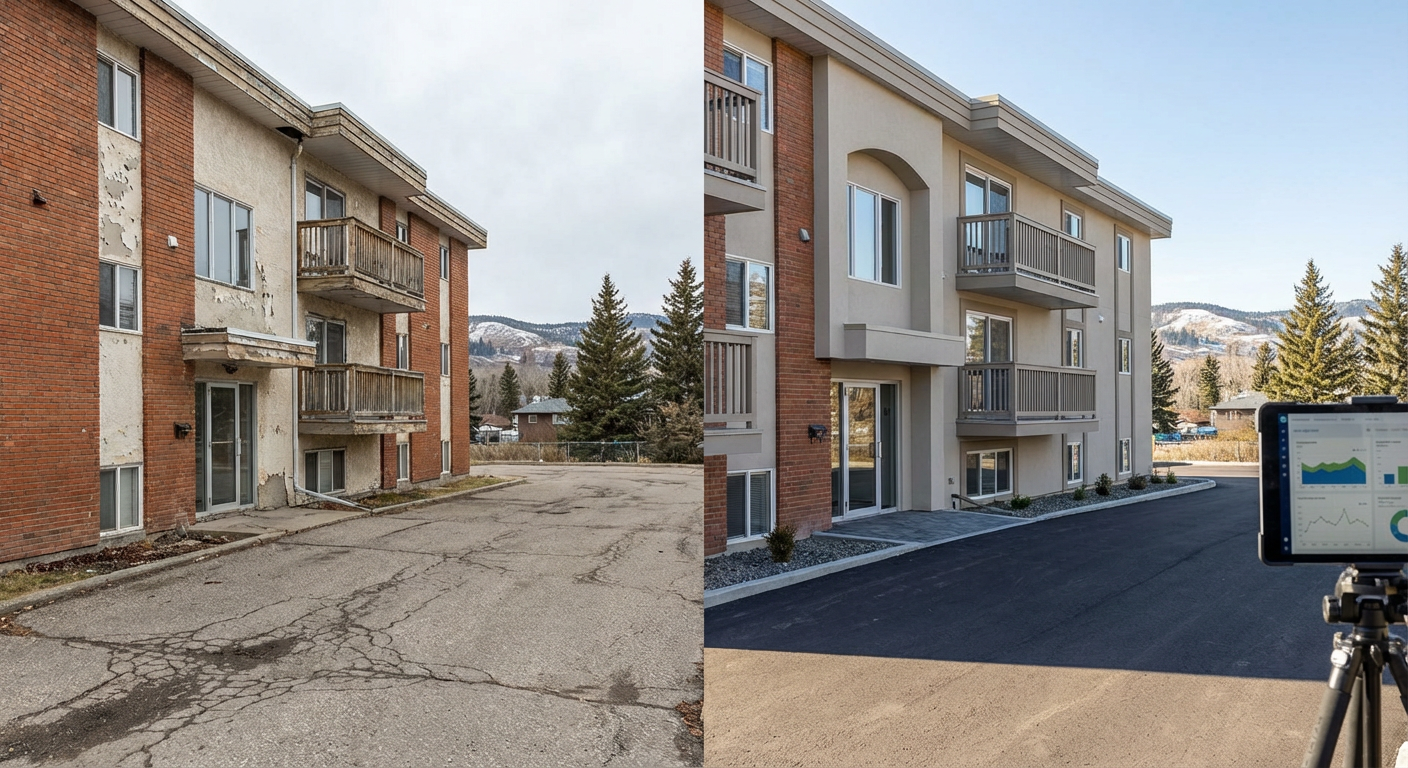
- Deferred maintenance accumulates, eventually requiring emergency interventions at premium costs
- Reserve fund deficiencies grow, necessitating special assessments or dramatic fee increases
- Property values decline as building condition deteriorates
- Potential buyers become wary of properties with obvious maintenance strategy reserve planning deficiencies
How Should Alberta Boards Develop an Integrated Planning Approach?
The most successful Alberta condominium corporations integrate their maintenance strategy reserve planning into a comprehensive asset management framework. This approach recognizes that every decision about current maintenance affects future capital needs, and every capital replacement decision impacts ongoing maintenance requirements.
Creating a Comprehensive Asset Management Plan
An integrated asset management plan for maintenance strategy reserve planning in Alberta condominiums should include:
- Complete asset inventory: Document all building components, systems, and common property elements with current condition assessments
- Maintenance protocols: Establish specific preventive maintenance schedules, procedures, and quality standards for all major systems
- Capital planning timeline: Use reserve fund study projections to create a 30-year capital expenditure roadmap
- Financial modeling: Project both operating and reserve fund requirements over multiple time horizons
- Performance metrics: Track key indicators like maintenance cost per unit, capital spending trends, and component life achievement rates
- Risk assessment: Identify components most vulnerable to failure and prioritize them in maintenance strategy reserve planning
- Scenario planning: Model different maintenance spending levels and their impact on reserve fund requirements
Corporations working with Calgary reserve fund studies providers should request that their studies explicitly address how maintenance strategies affect capital planning assumptions within the maintenance strategy reserve planning framework.
Establishing Clear Roles and Responsibilities
Integration requires clear delineation of roles among the board, property manager, maintenance staff, and professional consultants in maintenance strategy reserve planning:
- Board of Directors: Sets overall strategic direction, approves budgets, ensures adequate funding for both maintenance and reserves, and monitors the effectiveness of maintenance strategy reserve planning
- Property Manager: Implements day-to-day maintenance programs, coordinates with contractors, tracks maintenance history, and reports on maintenance strategy reserve planning outcomes
- Maintenance Staff/Contractors: Execute preventive maintenance programs, document component conditions, and provide early warning of emerging issues
- Professional Engineers: Conduct reserve fund studies, provide technical advice on major capital projects, assess building condition, and advise on maintenance strategy reserve planning integration
- Accountants: Ensure proper expense classification, financial reporting compliance with Alberta regulations, and accurate tracking of maintenance strategy reserve planning expenditures
Implementing Regular Review Cycles
Both components of maintenance strategy reserve planning require regular review and adjustment:
- Monthly maintenance tracking: Review completed preventive maintenance tasks and identify any deviations from planned schedules
- Quarterly maintenance reports: Assess maintenance program effectiveness, track emerging issues, and adjust priorities as needed
- Annual operating budget review: Evaluate maintenance program adequacy and adjust funding as needed within maintenance strategy reserve planning
- Three-year reserve fund study updates: Alberta best practices recommend updating reserve fund studies every three years to ensure maintenance strategy reserve planning remains current
- Five-year strategic planning: Conduct comprehensive reviews of integrated asset management approach and long-term building sustainability
These review cycles ensure that maintenance strategy reserve planning remains responsive to changing building conditions, evolving technologies, and shifting financial circumstances.
Communication Strategies for Owner Buy-In
Successful maintenance strategy reserve planning requires owner understanding and support. Alberta boards should implement communication strategies that help owners appreciate the value of investing in both maintenance and reserves:
- Visual demonstrations: Show owners examples of well-maintained versus neglected building components
- Cost comparisons: Present data showing how preventive maintenance reduces long-term expenses
- Peer benchmarking: Compare the corporation's maintenance strategy reserve planning approach to similar properties
- Success stories: Highlight instances where good maintenance prevented expensive capital replacements
- Transparent reporting: Provide detailed financial reports showing exactly where maintenance and reserve dollars go
What Role Do Reserve Fund Studies Play in Maintenance Planning?
Professional reserve fund studies serve as the critical bridge between maintenance strategy and capital planning for Alberta condominium corporations. While their primary purpose involves quantifying future capital expenditure requirements, comprehensive studies provide valuable insights that inform maintenance strategy decisions within the overall maintenance strategy reserve planning framework.
Component Condition Assessment
When qualified professionals, particularly those with P.Eng. credentials, conduct reserve fund studies in Alberta, they perform detailed physical inspections of all major building components. These assessments reveal:
- Current condition ratings that indicate whether preventive maintenance programs are adequate
- Specific deficiencies requiring immediate attention through either maintenance repairs or capital interventions
- Comparative performance of similar components, revealing which systems benefit most from enhanced maintenance
- Early warning signs of premature deterioration that suggest maintenance program adjustments
- Benchmarking data showing how the property's condition compares to similar Alberta condominiums
This condition assessment data helps boards evaluate whether their maintenance strategy reserve planning effectively preserves building components or whether adjustments are needed.
Useful Life Projections and Maintenance Assumptions
Reserve fund studies project the remaining useful life of every major component based on industry standards, manufacturer specifications, and observed conditions. However, these projections explicitly assume certain maintenance standards will be maintained. A comprehensive reserve fund study supporting maintenance strategy reserve planning should clearly document:
- What level of maintenance is assumed in useful life projections
- How different maintenance scenarios would affect replacement timelines
- Recommended preventive maintenance activities to achieve projected useful lives
- Consequences of reducing maintenance below assumed levels
- Cost implications of enhanced maintenance programs versus accelerated capital replacements
This information enables boards to make informed decisions about the appropriate balance between operating maintenance investment and reserve fund contributions within their maintenance strategy reserve planning approach.
Long-Term Capital Planning Integration
Modern reserve fund studies increasingly incorporate maintenance strategy considerations into long-term capital planning recommendations. For example, studies supporting effective maintenance strategy reserve planning might suggest:
- Timing major capital projects to coordinate with related maintenance cycles
- Choosing replacement materials and systems based on maintenance requirements and lifecycle costs
- Budgeting for enhanced preventive maintenance programs as alternatives to premature capital replacements
- Phasing capital projects to smooth both reserve fund demands and ongoing maintenance obligations
- Identifying opportunities where strategic maintenance investments can defer capital expenditures
Alberta condominium corporations seeking this integrated approach should specifically request it when they obtain reserve fund study quotes, as not all providers offer this level of strategic analysis for maintenance strategy reserve planning.
Professional Guidance on Maintenance Priorities
Experienced reserve fund study providers offer valuable perspective on maintenance priorities within maintenance strategy reserve planning. They can help boards:
- Identify which building components are most sensitive to maintenance quality
- Determine optimal maintenance intervals based on component-specific requirements
- Assess whether current maintenance contractors are delivering adequate quality
- Recommend adjustments to maintenance programs that will extend component lifecycles
- Evaluate new maintenance technologies or approaches that might improve outcomes

How Do Alberta Regulations Address Maintenance and Reserve Planning?
Alberta's Condominium Property Act and accompanying regulations establish the legal framework for both maintenance obligations and reserve fund requirements, though they treat these two aspects of maintenance strategy reserve planning quite differently.
Reserve Fund Legislative Requirements
Alberta law provides specific requirements for the reserve planning component of maintenance strategy reserve planning:
- Mandatory reserve fund: All condominium corporations must establish and maintain a reserve fund for major repairs and replacements
- Minimum funding: Corporations must contribute at least 5% of the total contribution amount (operating plus reserve) to the reserve fund
- Reserve fund study requirement: Corporations must obtain a reserve fund study within two years of registration and update it at least once every five years
- Expenditure restrictions: Reserve funds can only be used for their intended purpose unless owners vote to authorize alternative uses
- Annual disclosure: Corporations must disclose reserve fund status and projections to owners annually
- Board fiduciary duty: Directors must act in the corporation's best interests when making reserve fund decisions
These requirements ensure that Alberta condominium corporations systematically plan and fund major capital expenditures. However, they don't prescribe specific methodologies or funding levels beyond the 5% minimum, allowing boards flexibility in their maintenance strategy reserve planning approach.
Maintenance Obligation Framework
In contrast to specific reserve fund requirements, Alberta's legislative framework for the maintenance component of maintenance strategy reserve planning is more general:
- Duty to maintain: Corporations have a legal obligation to maintain common property and assets in a state of good repair
- Scope of responsibility: Maintenance obligations extend to all common property, limited common property, and corporation-owned assets
- Standard of care: Boards must exercise reasonable care and diligence in fulfilling maintenance responsibilities
- Budget authority: Boards have authority to levy fees sufficient to meet maintenance obligations
- Liability exposure: Boards may face personal liability if negligent maintenance causes harm or property damage
The legislation doesn't specify what constitutes adequate maintenance or how much boards should budget for maintenance activities. This flexibility allows boards to tailor the maintenance component of their maintenance strategy reserve planning to their specific buildings, but it also creates potential for underfunding or inconsistent standards.
The Regulatory Gap and Board Responsibility
The contrast between specific reserve fund requirements and general maintenance obligations creates a potential gap that Alberta boards must navigate carefully in their maintenance strategy reserve planning. Some corporations focus intensely on meeting minimum reserve fund requirements while neglecting adequate operating maintenance budgets. This regulatory asymmetry means boards must exercise independent judgment in establishing appropriate maintenance funding levels.
Professional guidance from experienced reserve fund study providers can help boards understand how their maintenance spending compares to similar properties and industry benchmarks, ensuring balanced maintenance strategy reserve planning.
Compliance and Best Practices
While Alberta regulations set minimum requirements, best practices for maintenance strategy reserve planning exceed these minimums:
- Reserve funding: Most professionals recommend funding at 100% confidence level rather than the minimum 5%
- Update frequency: Updating reserve fund studies every three years rather than the maximum five-year interval
- Maintenance standards: Implementing preventive maintenance programs that exceed basic legal requirements
- Documentation: Maintaining comprehensive records of all maintenance and capital expenditures
- Professional oversight: Engaging P.Eng. professionals for reserve fund studies and major capital projects
What Are Best Practices for Balancing Short-Term and Long-Term Needs?
Successfully managing the tension between immediate maintenance needs and long-term reserve planning requires deliberate strategies that prevent short-term thinking from compromising future financial health within the maintenance strategy reserve planning framework.
Multi-Year Budget Planning
Rather than focusing exclusively on the current fiscal year, leading Alberta condominium corporations develop multi-year budget projections that show the trajectory of both operating and reserve fund contributions. This approach to maintenance strategy reserve planning:
- Reveals unsustainable trends: Multi-year projections quickly expose situations where maintenance deferrals or inadequate reserve contributions will create future crises
- Enables gradual adjustments: Boards can implement modest annual fee increases rather than facing dramatic future increases when problems become critical
- Facilitates owner communication: Showing owners a clear long-term financial plan builds understanding and support for necessary contributions
- Supports strategic decision-making: Understanding the full financial picture helps boards prioritize projects and investments effectively
- Improves predictability: Owners appreciate knowing what to expect for future fee increases within the maintenance strategy reserve planning framework
Contingency Planning and Emergency Reserves
Even with excellent maintenance strategy reserve planning, unexpected situations arise. Alberta's harsh climate can create sudden repair needs, while building components occasionally fail prematurely despite proper maintenance. Best practices include:
- Operating contingency: Maintain 5-10% of the annual operating budget as a contingency for unexpected maintenance expenses
- Emergency reserve provision: While not required by Alberta law, some corporations designate a portion of the reserve fund as "emergency reserves" available for urgent capital needs without owner vote
- Line of credit: Establish a corporate line of credit that provides liquidity for managing timing mismatches between expenses and reserve fund availability
- Insurance considerations: Ensure adequate property insurance with appropriate deductibles that balance premium costs against potential emergency expenditure requirements
- Risk mitigation: Identify high-risk components and develop contingency plans within maintenance strategy reserve planning
Prioritization Framework for Competing Demands
When resources are limited, boards need clear criteria for prioritizing maintenance and capital expenditures within maintenance strategy reserve planning:
- Tier 1 - Critical Priorities: - Life safety issues (fire safety systems, structural integrity, emergency access)
- Building envelope integrity (preventing water infiltration and further damage)
- Legal compliance (addressing code violations or regulatory requirements)
- Liability mitigation (hazards that could cause injury or property damage)
- Tier 2 - Important Priorities: - Components nearing end of useful life (preventing emergency failures)
- Preventive maintenance with high ROI (activities that significantly extend component lifecycles)
- Essential services (maintaining elevators, heating, water systems)
- Tier 3 - Desirable Priorities: - Aesthetic improvements (enhancing property appearance and value)
- Convenience upgrades (improving amenities or resident experience)
- Energy efficiency projects (reducing long-term operating costs)
This framework helps boards make difficult decisions when perfect maintenance strategy reserve planning isn't immediately achievable due to resource constraints.
Communication and Owner Education
Many conflicts about maintenance and reserve funding stem from owner misunderstanding of the distinction between these planning approaches. Effective boards implement ongoing education programs supporting maintenance strategy reserve planning:
- Annual general meeting presentations: Use AGMs to explain how both operating budgets and reserve funds work together to maintain property value
- Newsletter content: Regular communications highlighting maintenance activities and capital planning progress
- Financial transparency: Detailed budget presentations that show exactly where condominium fees go and why both maintenance and reserve contributions are essential
- Reserve fund study summaries: Distribute accessible summaries of reserve fund studies that explain findings in non-technical language
- Comparative analysis: Show owners how the corporation's maintenance strategy reserve planning compares to industry benchmarks
- Visual aids: Use charts, graphs, and photographs to illustrate maintenance strategy reserve planning concepts
Performance Monitoring and Adjustment
Effective maintenance strategy reserve planning requires ongoing monitoring and willingness to adjust approaches based on results:
- Key performance indicators: Track metrics like maintenance cost per square foot, reserve fund adequacy percentage, component lifecycle achievement rates
- Variance analysis: Compare actual maintenance and capital spending to budgets, investigating significant deviations
- Condition trending: Monitor building component conditions over time to assess maintenance program effectiveness
- Owner satisfaction surveys: Gather feedback on how well maintenance strategy reserve planning meets resident expectations
- Peer benchmarking: Compare performance metrics to similar Alberta condominium corporations
Regular review of these metrics enables boards to identify when adjustments to maintenance strategy reserve planning are needed before problems become critical.
Reserve Fund Studies Across Alberta
We provide comprehensive reserve fund studies supporting effective maintenance strategy reserve planning for condominium corporations across Alberta, including Edmonton, Calgary, and Red Deer.
Ready to get started? Get a Quote →