Need a Reserve Fund Study in Edmonton?
Brookstone Engineering is a reserve fund study provider with in-house APEGA-licensed Professional Engineers (P.Eng.). Request a Reserve Fund Study Quote (Edmonton)
Parkade membrane replacement planning is the strategic process of assessing, budgeting for, and scheduling the replacement of waterproofing membranes in underground and above-grade parking structures to protect the building envelope and prevent costly water damage. For condominium corporations across Alberta, proper planning for this critical building component can mean the difference between a manageable capital expense and a financial crisis that catches boards and owners off guard.
Underground parking structures face unique challenges in Alberta's climate, where extreme temperature fluctuations, freeze-thaw cycles, and road salt exposure accelerate membrane deterioration. When waterproofing fails, water infiltrates concrete, causing rebar corrosion, concrete spalling, and structural damage that extends far beyond the parking area. Professional Reserve Fund Study services in Alberta incorporate detailed parkade membrane assessments to help condominium boards plan for these substantial capital expenditures before emergency repairs become necessary.
What Makes Parkade Membrane Replacement Such a Significant Capital Expense?
Parkade membrane replacement represents one of the largest capital expenditures condominium corporations face, often ranging from $500,000 to over $2 million for a typical Alberta multi-unit residential building. Understanding why these projects carry such substantial costs helps boards appreciate the importance of long-term planning and adequate reserve fund contributions.
The Complexity of Membrane Systems
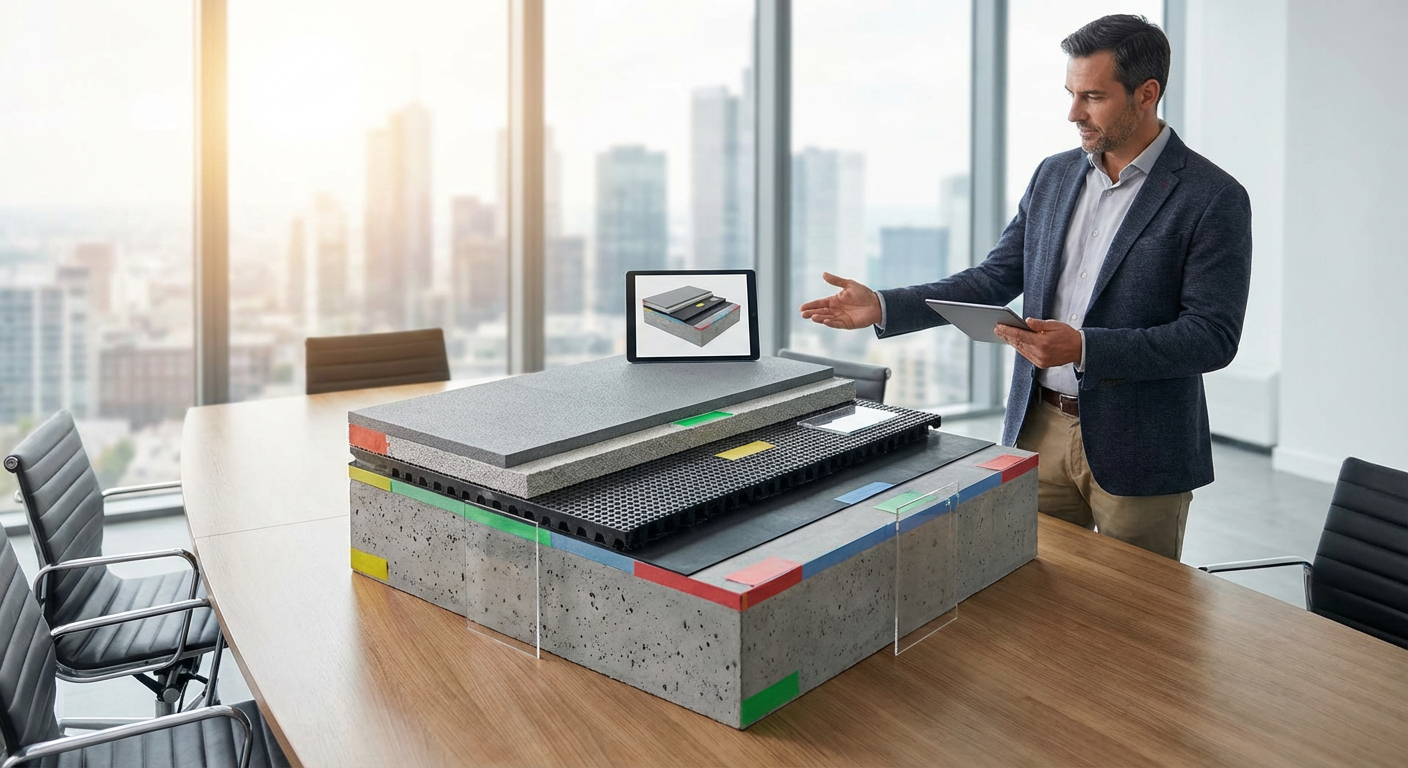
Modern parkade waterproofing involves multiple integrated layers working together to protect the structural concrete. The membrane itself—whether modified bitumen, polyurethane, or advanced polymer-based systems—represents only one component of the assembly. Below the surface, proper drainage layers, insulation boards, and vapor barriers all play critical roles in system performance.
When planning replacement, engineers must evaluate the entire assembly, not just the visible surface. In many Alberta condominiums built between 1980 and 2010, original installation methods didn't account for current understanding of moisture management, requiring complete system redesign during replacement. This comprehensive approach, while more expensive initially, prevents recurring failures and extends service life significantly.
Traffic Loading and Structural Considerations
Unlike roof membranes that only bear maintenance foot traffic, parkade systems endure constant vehicle loading, turning forces, and impact from dropped objects. These mechanical stresses, combined with Alberta's temperature extremes ranging from -40°C to +35°C, create demanding conditions that accelerate wear patterns unique to each facility.
Engineers conducting assessments for Reserve Fund Study in Edmonton frequently identify structural concrete issues underlying membrane failures. Chloride infiltration from road salt causes rebar corrosion, creating expanding pressure that spalls concrete and compromises membrane adhesion. Addressing these structural defects adds substantial cost to replacement projects but remains essential for long-term durability.
Access and Logistics Challenges
Parkade membrane replacement typically requires closing portions of the parking structure for extended periods, creating significant logistical challenges for residents. Temporary parking arrangements, dust control measures, ventilation during surface preparation, and coordination with occupied areas above all add complexity and cost to projects.
In high-rise condominiums where parking occupies multiple underground levels, staging becomes critical. Sequential replacement by zones allows continued building operations while managing costs through efficient contractor scheduling. Professional engineers experienced with Reserve Fund Study in Calgary properties understand these logistical factors and incorporate realistic timelines into planning documents.
What Are the Warning Signs That Membrane Replacement Is Approaching?
Recognizing early indicators of membrane deterioration allows condominium boards to plan proactively rather than react to emergency failures. While comprehensive engineering assessments provide definitive condition evaluations, visual observations and maintenance records often reveal patterns suggesting approaching end-of-service life.
Surface-Level Indicators
The most obvious warning signs appear on the membrane surface itself. Bubbling or blistering indicates delamination where the membrane separates from the substrate, typically caused by moisture trapped during installation or infiltration through cracks. In heated parkades, these bubbles often expand during warm weather as trapped moisture vaporizes.
Cracking patterns reveal different underlying issues. Linear cracks following structural joints suggest inadequate joint detailing, while random crazing indicates general membrane aging and loss of elasticity. Color changes—particularly darkening or whitish deposits—can indicate chemical degradation from petroleum products or cleaning agents common in parking environments.
Worn traffic patterns, especially in turning areas and near parking stalls, show where the protective wearing surface has eroded, exposing the membrane to direct UV radiation and mechanical damage. Once the membrane loses its protective layer, deterioration accelerates rapidly.
Water Infiltration Evidence
Active leaking represents advanced membrane failure requiring immediate attention. However, earlier indicators provide warning before water reaches occupied spaces below. Water staining on concrete walls or ceilings, efflorescence (white mineral deposits), and rust staining from corroding rebar all suggest moisture penetration.
Standing water after precipitation or snow melt indicates drainage problems that accelerate membrane deterioration. Proper parkade design includes positive slope to drainage points, but settlement, structural deflection, or clogged drains can create ponding areas. These zones experience prolonged water exposure, freeze-thaw damage, and concentrated deterioration.
In Alberta's climate, ice formation patterns provide valuable diagnostic information. Ice accumulation in specific areas during winter often reveals water infiltration paths not obvious during warmer months. Property managers should document these patterns for engineering assessments.
Structural Concerns
Concrete spalling—where surface layers break away exposing aggregate and rebar—often results from long-term water infiltration and chloride attack. While structural engineers must evaluate the extent of concrete damage, widespread spalling typically indicates the membrane has failed to protect the substrate for several years.
Expansion joint failures create pathways for water infiltration that bypass the main membrane system. Deteriorated sealants, damaged joint covers, or displaced joint assemblies allow concentrated water flow that damages adjacent concrete and accelerates membrane edge deterioration.
How Should Boards Budget for Parkade Membrane Replacement?
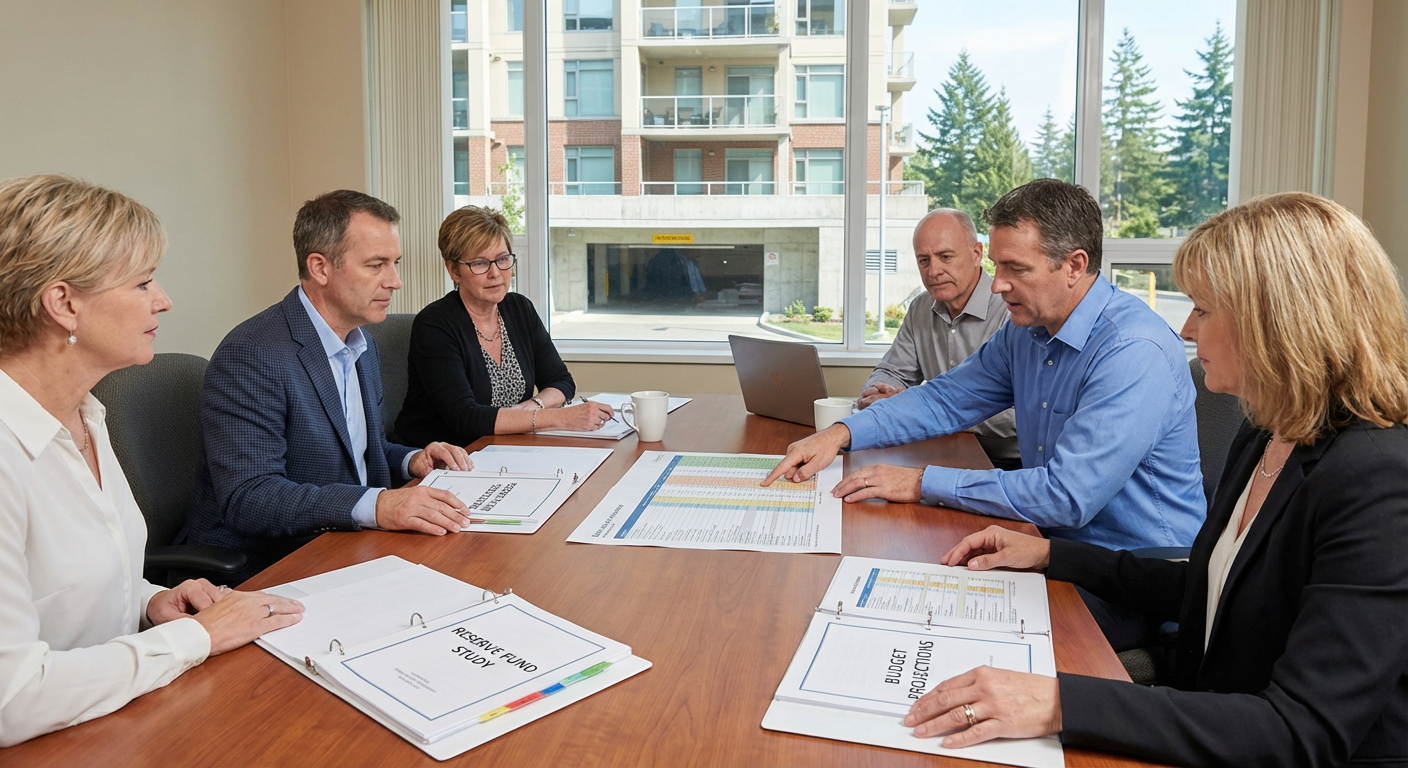
Developing an accurate parkade waterproofing reserve fund requires understanding not just membrane replacement costs but also related work that typically accompanies these major projects. Professional Reserve Fund Studies conducted by qualified engineers provide the detailed cost projections boards need for effective planning.
Cost Components and Variables
Base membrane replacement costs vary significantly based on system selection and site conditions. Budget-conscious boards might select modified bitumen systems at $15-25 per square foot, while high-performance polyurethane or PMMA systems cost $30-45 per square foot but offer superior durability and faster curing times that reduce closure duration.
Concrete repairs can equal or exceed membrane costs depending on structure condition. Surface preparation, crack injection, spall repairs, and rebar coating all add expense but prove essential for long-term performance. Engineers assessing properties for professional Reserve Fund Study services typically budget 20-40% additional for concrete work beyond base membrane costs.
Drainage system improvements, lighting upgrades completed while access exists, and ventilation enhancements often get bundled with membrane projects for efficiency. While these additions increase project cost, combining work reduces overall disruption and leverages economies of scale.
Phasing Strategies for Large Projects
Multi-million dollar parkade replacements can overwhelm reserve funds, making phased approaches attractive. Strategic phasing addresses the worst areas first while spreading costs over multiple budget years. However, mobilization costs for each phase and potential price escalation between phases must factor into planning.
Geographic phasing by parking zones works well for large facilities, allowing continued operations in unaffected areas. Some boards choose vertical phasing in multi-level structures, completing one level per year. This approach requires careful engineering to ensure water doesn't infiltrate from incomplete levels above.
System-based phasing—addressing membrane separate from structural repairs—generally proves less effective. Water infiltration continues damaging concrete while boards accumulate funds for structural work, potentially increasing ultimate costs beyond phased savings.
Reserve Fund Contribution Strategies
Adequate reserve fund contributions prevent special assessments when replacement becomes necessary. Engineers developing Reserve Fund Studies calculate required annual contributions based on remaining service life, replacement cost, and current fund balance. For a $1.5 million parkade project 10 years away, boards might need to contribute $150,000 annually to reach adequate funding.
Front-loading contributions—higher amounts in early years—provides flexibility for unexpected acceleration of deterioration. This conservative approach proves particularly valuable in Alberta where severe winters can rapidly worsen existing damage.
Inflation and cost escalation factors significantly impact long-term planning. Construction costs historically increase 3-4% annually, though recent years have seen higher volatility. Conservative studies use 4-5% escalation rates to avoid underestimating future replacement costs.
What Engineering Assessments Are Needed for Proper Planning?
Accurate parkade membrane replacement planning requires comprehensive engineering evaluation that goes beyond visual inspection. Professional engineers with parkade experience bring technical expertise and objective analysis that forms the foundation for sound capital planning.
Level 1, 2, and 3 Condition Assessments
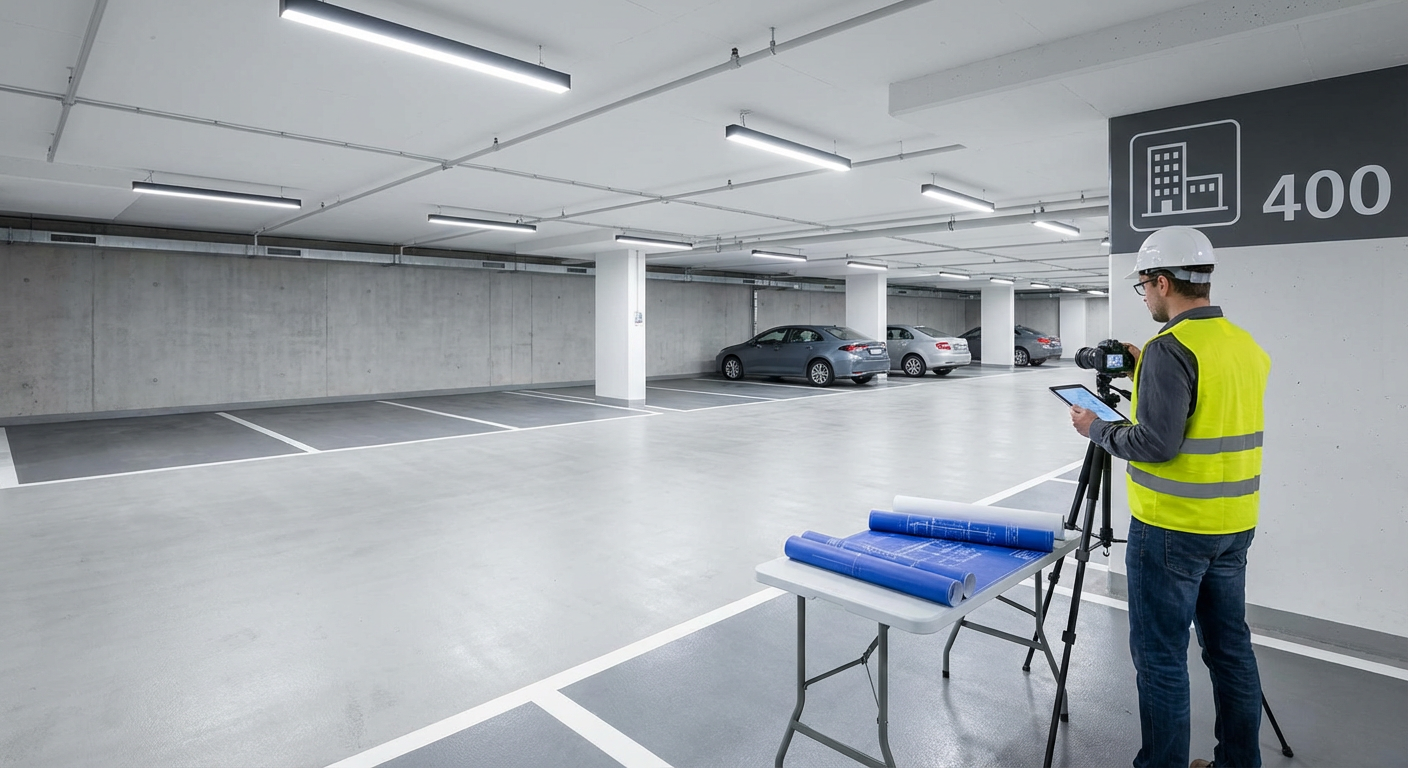
Reserve Fund Studies in Alberta typically begin with Level 1 visual assessments conducted from accessible areas. Engineers document surface conditions, drainage performance, and visible deterioration without invasive testing. This non-destructive approach provides baseline information suitable for initial budget planning.
Level 2 assessments add limited intrusive investigation—core samples, moisture testing, and chloride analysis—to verify conditions suggested by visual observation. These targeted tests help engineers differentiate surface deterioration from underlying structural issues, significantly improving cost projection accuracy.
Level 3 detailed investigations involve extensive testing, structural analysis, and laboratory evaluation. Boards typically commission these comprehensive studies when planning imminent replacement to inform design specifications and contractor bidding. The detailed technical information justifies higher study costs through more competitive bidding and reduced construction contingencies.
Service Life Predictions and Timing
Determining optimal replacement timing balances maximizing existing membrane life against avoiding emergency repairs and consequential damage. Engineers consider design service life, observed deterioration rates, maintenance history, and exposure conditions to project remaining useful life.
In Alberta's climate, theoretical 25-year service lives often reduce to 15-20 years for heated parkades experiencing heavy salt exposure. Unheated structures may achieve longer service but face more severe freeze-thaw cycling. Professional engineers with Reserve Fund Study in Edmonton experience understand these local factors affecting service life predictions.
Conservative replacement scheduling—planning for year 18 of a predicted 20-year service life—provides contingency for unexpected deterioration while avoiding premature replacement. This approach allows boards to monitor conditions and adjust timing based on annual engineering updates.
P.Eng. Requirements and Professional Standards
The Alberta Condominium Property Act recommends Reserve Fund Studies to be prepared by qualified professionals, with many boards specifically seeking Professional Engineers (P.Eng.) for major building component assessments. Engineers bring structural expertise, materials science knowledge, and professional liability insurance that protects boards.
P.Eng. designation requires university engineering education, four years of supervised experience, and demonstrated professional competency verified through the Association of Professional Engineers and Geoscientists of Alberta (APEGA). This rigorous qualification ensures engineers possess the technical knowledge needed for complex parkade assessments.
Professional engineering standards require engineers to consider structural safety, building code compliance, and long-term durability when making recommendations. This comprehensive perspective differs from vendor-provided "assessments" that may emphasize product sales over objective evaluation.
How Can Boards Minimize Disruption During Replacement Projects?
Large-scale parkade membrane replacement inevitably disrupts building operations, but careful planning and resident communication can significantly reduce inconvenience and maintain community support throughout the project.
Pre-Construction Planning and Communication
Successful projects begin with thorough resident communication months before construction starts. Boards should explain why replacement is necessary, what improvements residents can expect, and realistic timelines for completion. Visual presentations showing current damage and explaining how deterioration affects building value help build support for major expenditures.
Parking management plans address the most significant resident concern. Options include temporary off-site parking arrangements, phased construction preserving partial access, or creative solutions like tandem parking in adjacent areas. Early coordination with nearby commercial properties sometimes secures temporary parking through mutual benefit agreements.
Move-in/move-out accommodations require special attention. Construction schedules should avoid peak moving seasons when possible, and boards should establish procedures for construction access during moves. Clear communication protocols between property management, contractors, and residents prevent conflicts and maintain project momentum.
Construction Phase Management
Daily construction monitoring by property management or owner representatives helps identify issues early and maintains contractor accountability. Regular site meetings with the engineering consultant, general contractor, and board representatives ensure alignment with specifications and budget.
Dust control proves critical in parkade projects involving concrete surface preparation. Negative air pressure systems, temporary enclosures, and frequent cleaning minimize dust migration to residential areas. Alberta's dry climate exacerbates dust issues, making aggressive control measures essential.
Odor management addresses concerns about membrane installation materials and concrete treatments. Modern low-odor products reduce this issue, but adequate ventilation, evening/weekend work scheduling for odorous tasks, and advance resident notification help maintain community relations.
Post-Completion Considerations
Warranty periods for membrane systems typically run 5-10 years, with many manufacturers offering extended warranties for systems installed by certified applicators. Boards should understand warranty terms, required maintenance for warranty validity, and procedures for addressing deficiencies.
Updated maintenance protocols extend membrane service life and protect the board's investment. Regular drain cleaning, prompt repair of penetrations, and periodic surface cleaning prevent premature deterioration. Engineering consultants often provide maintenance manuals specific to installed systems.
Documentation of the completed project—as-built drawings, material certifications, warranty documents, and photographic records—becomes valuable for future planning. This information feeds into the next Reserve Fund Study cycle and helps property managers understand system maintenance requirements.
What Membrane System Options Should Boards Consider?
Alberta condominium boards face numerous membrane system choices, each offering different performance characteristics, costs, and longevity. Understanding these options helps boards make informed decisions aligned with their specific needs and budget constraints.
Modified Bitumen Systems
Modified bitumen remains the most common parkade membrane type in Alberta due to proven performance and cost-effectiveness. These systems use asphalt modified with polymers to enhance flexibility and durability. Application methods include hot-applied torch welding or cold-applied adhesives, with torch-down installation providing superior seam integrity.
Advantages include established contractor experience, reasonable material costs ($15-25/sf installed), and good performance in Alberta's climate. The thick membrane (typically 3-4mm) tolerates minor substrate movement and provides excellent waterproofing when properly installed.
Disadvantages include longer installation times, open-flame concerns during torch application, and sensitivity to petroleum products in parking environments. Modified bitumen systems require protective wearing surfaces that add cost and require periodic renewal.
Polyurethane and Polyurea Coatings
Liquid-applied polyurethane and polyurea systems offer seamless installation and rapid curing—some products cure in hours rather than days. These advanced polymers create continuous waterproofing membranes that conform to complex geometries and penetrations without seams that can fail.
The fast cure times minimize parking closure duration, a significant advantage for occupied buildings. Material costs run higher ($30-40/sf installed), but reduced disruption costs and labor efficiency often offset premium pricing. Some polyurethane systems achieve 15-20 year service lives exceeding traditional materials.
Application requires precise environmental control—temperature and humidity affect curing—which can challenge Alberta's variable climate. Contractor expertise proves critical, as improper mixing ratios or application thickness causes premature failure. Boards should specify certified applicators with parkade-specific experience.
Advanced Polymer Membranes
Sheet-applied thermoplastic membranes (PVC, TPO) and spray-applied PMMA systems represent newer technologies gaining acceptance in Alberta. These materials offer excellent chemical resistance, UV stability, and longevity projections of 20-25 years under proper conditions.
Higher material costs ($35-45/sf installed) require justification through extended service life and reduced maintenance. For boards planning long-term asset management with minimal disruption over 20-30 year horizons, these premium systems may prove cost-effective despite higher initial investment.
Limited local contractor experience with newer systems poses risk. Boards considering advanced materials should verify installer certifications, review completed projects of similar scope, and ensure manufacturers provide technical support throughout installation.
Wearing Surface Selections
Regardless of membrane type, parkade waterproofing requires protective wearing surfaces to shield the membrane from traffic abrasion, UV exposure, and mechanical damage. Common options include:
- Concrete toppings: Durable but add substantial dead load and reduce ceiling heights in existing structures. Typically 50-75mm thick.
- Asphaltic concrete: Flexible, cost-effective, and easy to repair. Common choice for replacement projects. Typically 40-50mm thick.
- Protective coatings: Thin-applied systems (3-5mm) suitable for light traffic. Lower cost but require more frequent renewal.
- Modular tiles or pavers: Allow membrane access for repairs but higher installed cost and potential drainage issues.
System selection should consider traffic intensity, structural loading capacity, required service life, and maintenance capabilities. Get a Reserve Fund Study quote that includes detailed analysis of system options specific to your property.
Reserve Fund Studies Across Alberta
We provide reserve fund studies that meet Alberta condominium reserve fund study requirements. Service areas include Reserve Fund Study Edmonton, Reserve Fund Study Calgary, and Reserve Fund Study Red Deer.
Ready to get started? Get a Quote →