Need a Reserve Fund Study in Alberta?
Brookstone Engineering is a reserve fund study provider with in-house APEGA-licensed Professional Engineers (P.Eng.) serving Edmonton Metro, Calgary Metro and Central Alberta. Request a Reserve Fund Study Quote (Alberta)
A reserve fund study is an assessment of a condominium corporation's depreciating property: the common property, the corporation's own property and any managed property. It records the present condition of each component, estimates when each will need repair or replacement and what that will cost, and recommends how much should go into the reserve fund. In Alberta, the study is a legal requirement under the Condominium Property Act and the Condominium Property Regulation, and it is the basis for the reserve fund plan that the board approves.
This guide covers the reserve fund study requirements in Alberta that boards most often ask about: who must have a study, when it is due, who can prepare it, what it must contain, how the board turns it into a plan, and the narrow exemptions.
What Are the Legal Reserve Fund Study Requirements in Alberta?
Section 38 of the Condominium Property Act requires a corporation to establish and maintain a reserve fund that is reasonably sufficient for major repairs and replacement of depreciating property. Part 2 of the Condominium Property Regulation (sections 21 to 30) sets out how the reserve fund study, the reserve fund report and the reserve fund plan are prepared.
Initial Reserve Fund Study Timeline
A newly registered corporation must complete its first reserve fund study, receive the reserve fund report, approve a reserve fund plan and give owners a copy of that plan no later than 2 years after the condominium plan is registered (Regulation s.24).
The first study sets the baseline for everything that follows. It identifies the components that will need repair or replacement over at least the next 30 years, from roofing and the building envelope to mechanical equipment, parking areas and amenities.
Ongoing Update Requirements
After that, the corporation must repeat the full cycle on or before 5 years from the day its most recent reserve fund plan was approved (Regulation s.30). That means a new study, a new report, a newly approved plan and copies of the plan to owners. The five-year clock runs from plan approval, not from the site visit or the report date. Our guide to the 5-year Alberta reserve fund study rule explains the timing in more detail.
When to Update Earlier Than Required
Five years is the maximum interval. Several situations make an earlier update worth discussing with your provider:
- Significant unforeseen repairs that the current study didn't anticipate
- Major changes to common property, such as additions, renovations or new infrastructure
- Actual costs that differ materially from the study's estimates, for example when tender results come in well above or below the projected cost
- Changes in legislation or building code requirements that affect what must be repaired or replaced, or how
- A board transition, when incoming directors need a current picture before setting the budget
Talking to your reserve fund study provider in Alberta early helps the board decide whether a full update is warranted now or can wait for the scheduled review.

Exemptions and Special Cases
Very few corporations are exempt, and the exceptions are narrower than many boards expect:
- Single-owner rental buildings (s.25). A corporation is exempt from the study and from keeping a reserve fund only if every unit's title is registered to the same owner or group of owners and the units are rented, or offered for rent, to tenants who are not purchasers.
- Selling those units, or selling a conversion (s.26). Once the owner of an exempt rental building offers units for sale and the exemption would no longer apply, a reserve fund study, report and plan must be completed before any unit is sold. The same applies to a property converted to condominium. Purchasers must be able to inspect the report and plan.
- Plans of 12 units or fewer (s.22). A small corporation is not exempt. If owners authorize it by special resolution, the corporation may act as its own reserve fund study provider, but the study and report still have to meet every requirement in section 23. According to the Government of Alberta, this is the only size-related exception in the legislation.
- Bare land condominiums. There's no general exemption for bare land plans. The reserve fund covers whatever depreciating property the corporation is responsible for. See our guide to bare land condos in Alberta.
New Buildings: The Technical Analysis
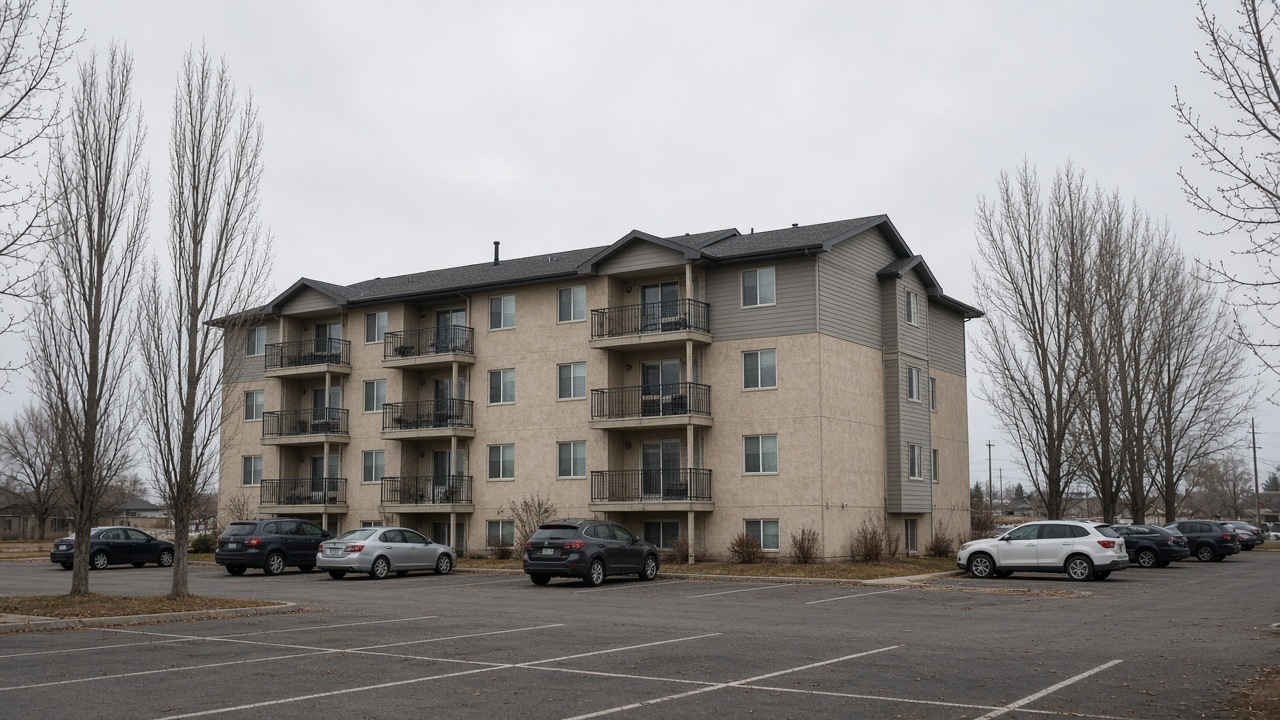
This section is general information about a separate legal requirement for newly built condominiums. For a building whose first unit is occupied on or after the new rules came into force, the corporation must get a technical analysis within 4 years of the first unit being occupied (Regulation ss.45.8 and 45.94, added by AR 23/2026). The technical analysis is not a reserve fund study:
- It must be prepared by a professional engineer or registered architect under an arm's-length contract. The preparer can't be connected to the developer: not a director, officer or employee of the developer, not a consultant the developer otherwise retained, not anyone with a financial interest in unit sales or anyone who supplied materials or services for the construction, and not a partner, employee or family member of those people (s.45.9).
- It must describe the condition of the building envelope and the structural components, plus the results of any invasive testing the contract authorizes (s.45.95). It must be signed and stamped (s.45.91).
- A building of 12 units or fewer may prepare its own technical analysis without an arm's-length contract (s.45.93).
- The corporation may pay for it from the operating account, the reserve fund or a special levy (s.45.92).
Who Can Prepare a Reserve Fund Study in Alberta?
For studies contracted on or after January 1, 2020, a reserve fund study provider must hold one of the qualifications listed in Regulation s.21.1:
- Professional engineer (P.Eng.)
- Professional technologist (P.Tech.)
- Certified engineering technologist or applied science technologist
- Registered engineering technologist
- Registered architect
- Appraisal Institute of Canada member holding the AACI designation
- Canadian National Association of Real Estate Appraisers member holding the DRP or DAC designation
- Canadian Institute of Quantity Surveyors member holding the Professional Quantity Surveyor designation
- Certified reserve planner accredited by the Real Estate Institute of Canada
- Holder of a certificate from the University of British Columbia's Reserve Fund Planning Program
- Other qualifications or training recognized by the Director
The provider must also know how the property wears over time, how it is operated and maintained, and what it costs to repair or replace. The Regulation also disqualifies certain people, even if they hold a listed qualification (s.21.1(2)):
- Directors, officers and employees of the corporation
- The condominium manager under a management agreement with the corporation
- Partners, employers or employees of any of those people
- The spouse, common-law partner or child of a director or officer, or a child of that spouse or partner
- Owners and occupants of units on the parcel
A developer or interim board must use a provider who is at arm's length (s.21.2). The report has to state the provider's qualifications and include a signed statement that no disqualification applies (s.23(3)).
At Brookstone, every reserve fund study is carried out by our in-house APEGA-licensed Professional Engineers. When you compare providers for reserve fund study services in Alberta, check the qualification, experience with similar buildings, and how the provider will meet the inspection, interview and document-review steps below.
What Must Be Included in an Alberta Reserve Fund Study?
Section 23 of the Regulation sets out what the study must determine and what the provider must do.
Component Inventory and Assessment
The study must include an inventory of all depreciating property that may need repair or replacement within the next 30 years or longer. In practice, this usually covers:
- Building envelope (roof, exterior walls, windows, doors)
- Structural components (foundations, parking structures)
- Mechanical and electrical systems (heating, ventilation, plumbing, electrical distribution)
- Site improvements (paving, landscaping, fencing)
- Amenities (fitness rooms, recreation rooms, pools)
- Building services (elevators, fire protection systems)
For each component, the study records its present condition, an estimate of when it will need repair or replacement, the estimated cost (based on costs no lower than current costs at the time of the report) and its life expectancy once repaired or replaced. Brookstone rates condition on a five-level scale: Excellent, Good, Fair, Poor and Failed. Our guide to the reserve fund study component inventory explains what is typically assessed.
What the Provider Must Do
While carrying out the study, the provider must:
- Determine the current amount in the reserve fund
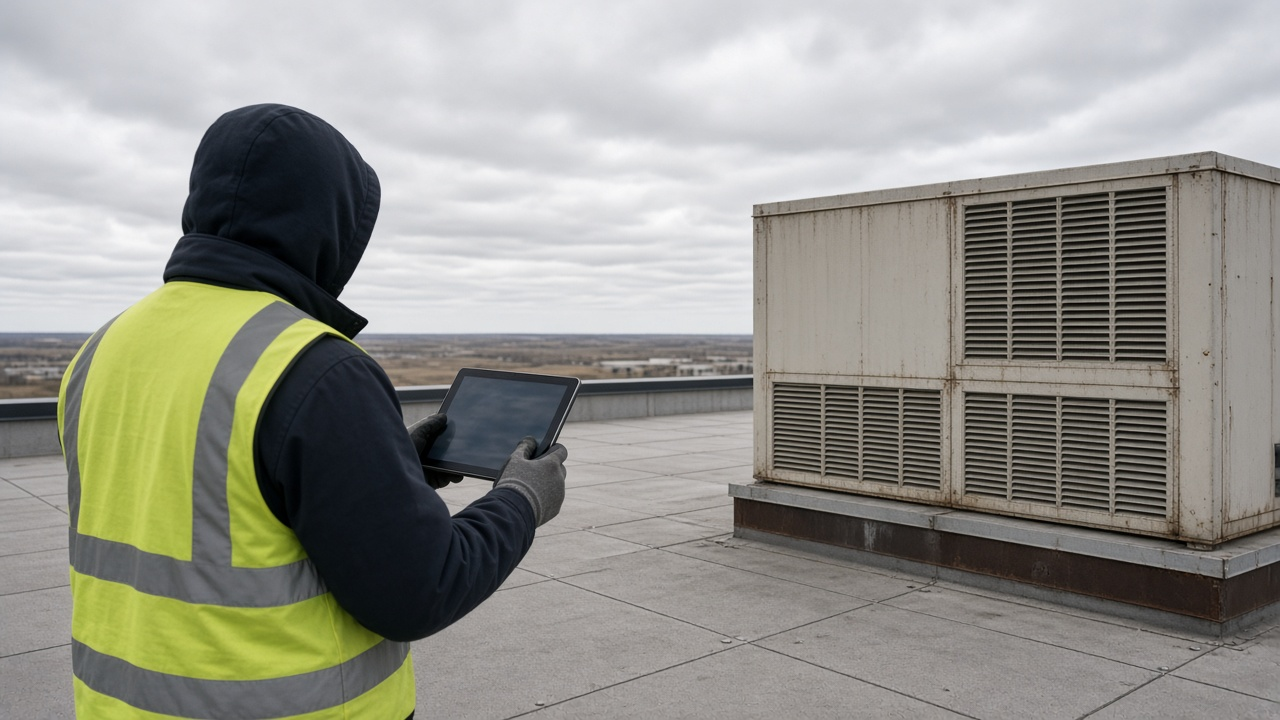
- Carry out an on-site visual inspection of all visible components
- Interview the members of the board. At Brookstone, this happens at the kickoff call with the board.
- Interview the condominium manager, employees or others as the provider considers necessary
- Review relevant documents, including the condominium plan, construction documents and maintenance records. Our clients upload these through the client portal before the site visit.
- Recommend the amount, if any, that should go into the reserve fund, and describe the basis for that recommendation
Financial Analysis and Funding Recommendations
The financial side of the study projects the reserve fund balance over the study period. It considers:
- The current reserve fund balance
- Projected contributions
- Anticipated expenditures for each component
- Inflation assumptions
- Interest earned on the reserve fund
The provider then recommends the contributions needed to keep the fund able to pay for the repairs and replacements the study identifies.

Funding Scenarios
A study may model more than one way of reaching the funding target. For example, it may compare a steady contribution schedule with one that phases increases in over several years, so the board can see the trade-offs before it approves a plan.
How Do Alberta Boards Set Reserve Fund Contributions?
The Board Approves the Reserve Fund Plan
After receiving the reserve fund report, the board must review it and approve a reserve fund plan that sets out the method and the amounts needed to fund and maintain the reserve fund (Regulation s.23(4)). The plan must provide, based on the report, that sufficient funds will be available, whether from owners' contributions or any other method that is reasonable in the circumstances, to repair or replace the depreciating property as the report describes (s.23(5)).
The corporation must give owners copies of the approved plan before it collects any funds under that plan (s.23(6)). Until then, a corporation may collect and spend from a fund similar in nature to a reserve fund (s.23(7)). Reserve fund contributions are usually built into the annual budget and collected monthly with condo fees.
Annual Reporting
Every year the corporation must prepare an annual report on the reserve fund (s.29). The report covers the fund balance, the money paid in and out, what was repaired or replaced and what it cost, and what is projected for the current year. Owners (and any mortgagee who has given notice) receive it with the financial statements and budget at least 14 days before the annual general meeting (Act s.30(4)).
Contribution Adjustments and Timing
Boards should review reserve fund contributions every year as part of budget approval. Even between studies, contributions may need adjusting because of:
- Actual expenditures compared with projections
- Changes in construction costs
- Deferred or accelerated capital projects
- Special circumstances affecting specific components
Many corporations phase contribution increases in over several years rather than taking one large jump. This makes the increases easier for owners to absorb while still moving the fund toward the level the plan calls for. Our article on how boards set reserve fund contributions goes further.
What Happens If a Corporation Falls Behind?
Legal and Governance Consequences
A corporation that misses its study or plan deadlines is out of step with the Regulation, and the consequences can show up in practical ways:
- Purchasers and mortgagees may ask. An owner, purchaser or mortgagee can request the most recent reserve fund plan, annual reserve fund report and reserve fund report, and the corporation must provide them within 10 days of a written request (Act s.44). Missing or out-of-date documents can be hard to explain.
- Owner disputes. Disputes about access to reserve fund documents may be brought to the Condominium Dispute Resolution Tribunal.
- Board accountability. Directors are responsible for meeting the corporation's obligations, and an out-of-date study can make it harder for them to show they acted prudently.
- Lender requirements. Lenders reviewing a corporation loan or unit financing may ask for a current study and plan.
Financial Risks and Impacts
Inadequate reserve planning can also create financial risks:
- Emergency special assessments if reserves can't cover necessary repairs
- Deferred maintenance, which can speed up deterioration and increase eventual costs
- Lower property values where reserves are inadequate and deferred maintenance is visible
- Insurance complications if poor maintenance contributes to a loss
Impact on Property Marketability
Buyers and their lawyers often review the reserve fund study, report and plan during due diligence. A building with an outdated study or a thin reserve fund may face:
- Longer time on market
- Lower sale prices
- Financing difficulties for buyers
- More negotiation and concessions
How Can Alberta Condominium Boards Get More From Reserve Fund Planning?
Best Practices for Reserve Fund Management
- Watch for the triggers listed above and talk to your provider early, rather than waiting for the five-year deadline.
- Monitor component condition between studies so emerging problems are caught early.
- Track actual against projected spending and record why they differ.
- Communicate with owners about reserve fund status, upcoming projects and contribution changes.
- Plan capital projects strategically by grouping related work to reduce cost and disruption.
Working With Your Reserve Fund Study Provider
When you choose a reserve fund study provider, consider:
- A qualification listed in Regulation s.21.1 and no disqualifying relationship
- Experience with similar property types and sizes
- Understanding of how Alberta's climate affects building components
- Clear communication with the board through the kickoff call, the site visit and the report
Keeping Good Records
Good records make each update faster and more accurate:
- Photograph and log components when they are repaired or replaced
- Keep maintenance and service records in one place
- File invoices and tender results for capital work so actual costs can be compared with the study
Reserve Fund Studies Across Alberta
We provide reserve fund studies that meet Alberta's condominium reserve fund requirements. Service areas include Reserve Fund Study Edmonton, Reserve Fund Study Calgary and Reserve Fund Study Red Deer.
Ready to get started? Request a quote today to receive a detailed proposal for your property.---
Sources & References
- Condominium Property Regulation, Alta Reg 168/2000 (Alberta King's Printer): https://kings-printer.alberta.ca/documents/Regs/2000_168.pdf
- Condominium Property Act, RSA 2000, c C-22 (Alberta King's Printer): https://kings-printer.alberta.ca/documents/Acts/C22.pdf
- Reserve fund study providers, plans and reports (2026) (Government of Alberta): https://open.alberta.ca/publications/reserve-fund-study-providers-plans-and-reports
- Reserve funds (Government of Alberta): https://www.alberta.ca/reserve-funds
- Order in Council 32/2026 (Alta Reg 23/2026): Condominium Property Amendment Regulation (Alberta King's Printer): https://kings-printer.alberta.ca/Documents/Orders/Orders_in_Council/2026/2026_032.html
- Standards and Guidelines (APEGA): https://www.apega.ca/about-apega/publications/standards-guidelines