If you're a condominium board member in Alberta, understanding what's included in a reserve fund study is essential for fulfilling your fiduciary duties and ensuring your building's long-term financial health. A reserve fund study is a comprehensive engineering assessment that identifies all major building components, estimates their remaining useful life, calculates replacement costs, and provides a funding plan to ensure adequate reserves for future capital repairs and replacements. This detailed guide breaks down every element you should expect in a professional reserve fund study and provides a practical checklist to help Alberta condo boards evaluate proposals and deliverables.
Need a Reserve Fund Study in Edmonton?
Brookstone Engineering is a reserve fund study provider with in-house APEGA-licensed Professional Engineers (P.Eng.). Request a Reserve Fund Study Edmonton Quote
Reserve fund studies are mandated by the Condominium Property Act in Alberta, requiring boards to commission these studies at least every five years. Working with qualified professionals who hold P.Eng. (Professional Engineer) designations ensures your study meets regulatory requirements and provides accurate, defensible projections. Whether you're in Edmonton, Calgary, Red Deer, or another Alberta community, this checklist will help you understand exactly what you should receive from your reserve fund study services.
Key Takeaways
- Reserve fund studies must include a complete physical inventory of all common property components with remaining useful life estimates
- Financial analysis sections provide 30-year cash flow projections and multiple funding scenarios for board consideration
- Alberta regulations require studies to be conducted by qualified professionals, typically P.Eng. designated engineers
- Comprehensive studies include site inspections, document reviews, component condition assessments, and detailed cost estimates
- Boards should receive both a detailed technical report and an executive summary suitable for owners
- Updates and recommendations for maintenance planning should be included beyond just financial projections

What Core Components Must Be Included in Every Reserve Fund Study?
Every compliant reserve fund study in Alberta must contain several fundamental components that work together to provide a complete picture of your condominium corporation's capital needs. Understanding these core elements helps boards evaluate whether they're receiving a comprehensive, regulation-compliant study.
Physical Asset Inventory and Condition Assessment
The foundation of any reserve fund study is a comprehensive inventory of all common property components. This section documents every major building element that the condominium corporation is responsible for maintaining and replacing. Your study should include:
- Building Envelope Components: - Roofing systems (membranes, shingles, flashings)
- Exterior cladding and siding
- Windows and doors
- Balconies and railings
- Foundation and waterproofing systems
- Parkade structures and coatings
- Mechanical and Electrical Systems: - HVAC equipment and distribution systems
- Plumbing systems and domestic water heaters
- Electrical panels and distribution
- Fire protection systems
- Elevator equipment and controls
- Security and access control systems
- Site and Amenity Components: - Paving, curbs, and parking areas
- Landscaping and irrigation systems
- Fencing and gates
- Recreational facilities (pools, fitness centers)
- Common area finishes and furnishings
- Signage and lighting
Each component should include detailed information about its current age, condition rating, expected useful life, and remaining service years. The P.Eng. or qualified professional conducting the study should physically inspect these components and document their observations with photographs and condition notes.
Component Useful Life Estimates
One of the most critical elements in a reserve fund study is the estimation of each component's useful life and remaining years before replacement. These projections drive the entire financial planning process and must be based on industry standards, manufacturer specifications, and the engineer's professional judgment considering Alberta's climate conditions.
Your study should clearly explain the methodology used for useful life estimates and identify any components approaching the end of their service life. Components in poor condition or showing signs of premature deterioration should be flagged for priority attention. For Alberta buildings, special consideration should be given to how freeze-thaw cycles, UV exposure, and temperature extremes affect component longevity.

What Financial Analysis Should Your Reserve Fund Study Provide?
Beyond the physical assessment, reserve fund studies must include comprehensive financial analysis that helps boards make informed funding decisions. This financial component translates the physical findings into actionable budget recommendations.
Current Reserve Fund Analysis
Your study should begin with a thorough analysis of your condominium corporation's current reserve fund position. This includes:
- Opening balance at the study date
- Current monthly contribution rates per unit
- Interest earnings assumptions
- Recent and planned expenditures from reserves
- Comparison to recommended funding levels
This baseline analysis helps boards understand whether current funding is adequate or if adjustments are needed. The study should clearly indicate if your reserve fund is underfunded, adequately funded, or overfunded based on projected needs.
30-Year Cash Flow Projections
The heart of the financial analysis is a detailed 30-year cash flow projection showing anticipated major expenditures and the impact of different funding strategies. Your reserve fund study provider should present multiple scenarios, typically including:
Baseline Scenario: Shows what happens if current contribution rates continue unchanged Recommended Funding Plan: Presents the engineer's recommended contribution rates to maintain adequate reserves Alternative Scenarios: May include options for special assessments, accelerated funding, or phased contribution increasesEach scenario should show year-by-year projections including:
- Opening and closing reserve balances
- Contribution income
- Investment income
- Planned expenditures
- Remaining balance after expenditures
The projections must account for inflation, typically using different rates for labor and materials. Alberta-specific cost factors should be applied, recognizing that construction and replacement costs may vary from national averages.
Funding Plan Recommendations
Based on the cash flow analysis, the study should provide clear recommendations for reserve fund contributions. This includes:
- Recommended monthly contribution per unit (or per square foot)
- Comparison to current contribution levels
- Percentage increase or decrease needed
- Implementation timeline for any changes
- Impact on unit owners' monthly fees
The recommendations should be presented with clear rationale explaining why specific funding levels are necessary to maintain adequate reserves. For boards considering phased increases, the study should outline the implications and risks of delayed implementation.
What Documentation and Supporting Materials Should Be Included?
Professional reserve fund studies include extensive supporting documentation that validates the findings and provides transparency for board members and unit owners.
Executive Summary for Owners
Every study should include a concise executive summary written in plain language suitable for sharing with all unit owners. This summary typically includes:
- Overview of the study's purpose and scope
- Key findings about building condition
- Summary of major upcoming expenditures
- Current reserve fund status
- Recommended contribution changes
- Timeline for implementation
The executive summary allows boards to effectively communicate with owners about why contribution changes may be necessary and how their monthly fees support the building's long-term sustainability.
Detailed Technical Report
The comprehensive technical report forms the main body of the study and includes:
Methodology Section: Explains the approach taken, standards followed, and limitations of the study Detailed Component Analysis: Individual sections for each major building system with condition photographs, useful life data, and replacement cost estimates Cost Estimating Methodology: Explanation of how replacement costs were determined, including inflation assumptions and Alberta-specific factors Appendices: Supporting documents such as previous study comparisons, component specifications, and calculation worksheetsThis detailed documentation ensures transparency and provides the technical backup that boards may need when explaining recommendations to owners or defending decisions.
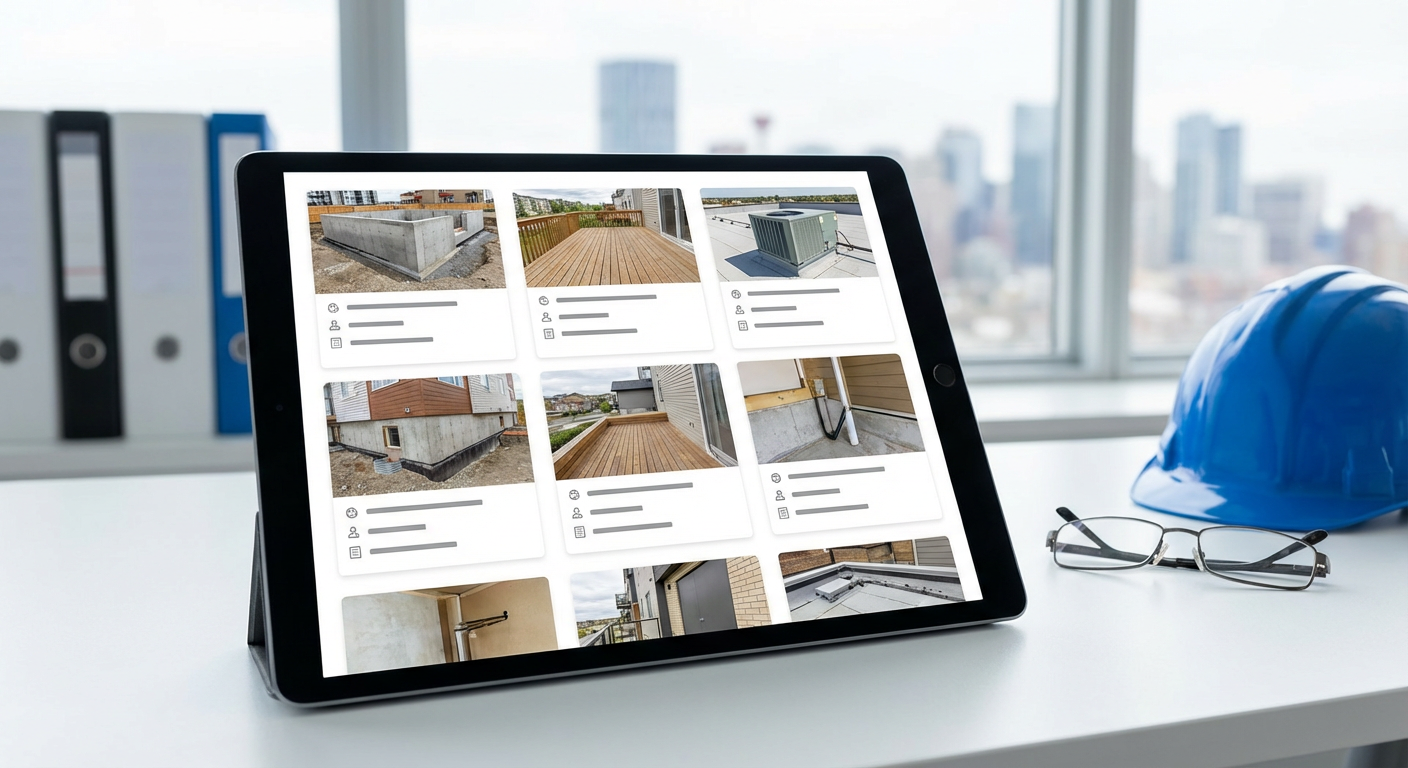
Photographic Documentation
Quality reserve fund studies include extensive photographic documentation showing:
- Overall building condition
- Specific components in various states of condition
- Areas of concern requiring attention
- Comparison photos from previous studies (when available)
Photos should be clearly labeled with locations and dates, helping board members understand the engineer's observations even if they weren't present during the site inspection.
How Should the Study Address Alberta-Specific Requirements?
Alberta's regulatory environment and climate conditions create specific requirements that must be addressed in reserve fund studies.
Compliance with Alberta Regulations
Your study must explicitly confirm compliance with:
- The Condominium Property Act and its regulations
- Canadian engineering practice standards
- APEGA (Association of Professional Engineers and Geoscientists of Alberta) requirements
The P.Eng. conducting the study should hold current Alberta licensure and provide their stamp and signature on the final report. This professional seal confirms the study meets regulatory requirements and professional standards.
Climate and Regional Considerations
Alberta's harsh climate significantly impacts building component performance. Your study should address:
Freeze-Thaw Cycle Effects: How seasonal temperature fluctuations affect building envelope, paving, and mechanical systems Snow Load Considerations: Roof structure adequacy and snow management systems UV Exposure: Impact on roofing, siding, and exterior finishes in Alberta's high-UV environment Temperature Extremes: Effect on HVAC systems, windows, and weatherproofingEngineers familiar with Alberta conditions can provide more accurate useful life estimates by accounting for these regional factors. Professional Edmonton reserve fund studies reflect local climate realities and regional building practices specific to northern Alberta.
What Additional Value-Added Elements Should Quality Studies Include?
Beyond the minimum requirements, comprehensive reserve fund studies often include additional elements that provide extra value to boards.
Maintenance Planning Recommendations
Forward-thinking studies go beyond financial planning to include maintenance recommendations that can extend component life and reduce long-term costs. This may include:
- Preventive maintenance schedules for major systems
- Early intervention opportunities to prevent costly repairs
- Maintenance priorities based on condition assessments
- Cost-benefit analysis of maintenance versus replacement
These recommendations help boards develop comprehensive asset management strategies rather than simply reacting to failures.
Energy Efficiency and Sustainability Considerations
Modern reserve fund studies increasingly address:
- Energy efficiency upgrade opportunities during planned replacements
- Sustainable material alternatives
- Life-cycle cost analysis comparing initial costs to long-term savings
- Potential grants or incentives for energy-efficient improvements
While these elements may add initial cost, they often provide long-term value through reduced operating expenses and enhanced property values.
Comparison to Previous Studies
For condominiums that have had previous reserve fund studies, the new study should include:
- Comparison of projections to actual expenditures
- Analysis of variances and their causes
- Updated assessments of components previously flagged
- Evaluation of whether previous recommendations were implemented
This comparison helps boards understand how accurate previous projections were and adjust planning accordingly.
Risk Assessment and Contingency Planning
Sophisticated studies may include risk analysis addressing:
- Components most likely to fail prematurely
- Potential for unexpected major expenditures
- Adequate contingency reserves
- Insurance considerations for major components
This helps boards prepare for uncertainties and make more informed risk management decisions.
What Should Boards Look for in Study Credentials and Qualifications?
Not all reserve fund study providers offer the same level of expertise or deliverables. Boards should verify several key credentials.
Professional Engineering Credentials
In Alberta, reserve fund studies should be conducted by or under the supervision of a Professional Engineer (P.Eng.) registered with APEGA. Verify:
- Current P.Eng. registration status
- Relevant experience with multi-family residential buildings
- Knowledge of Alberta building codes and standards
- Professional liability insurance coverage
The engineer's seal and signature on the final report confirms professional accountability for the findings.
Industry Certifications and Experience
Beyond basic engineering credentials, look for:
- Certified Reserve Planner (CRP) designation
- Membership in Reserve Fund Study professional associations
- Track record with similar-sized buildings in Alberta
- References from other condominium corporations
Experience specifically with Alberta condominium corporations ensures the engineer understands local regulatory requirements and climate challenges.
Quality Assurance Processes
Reputable firms employ quality assurance processes including:
- Multi-level review of reports before finalization
- Standardized data collection and analysis methods
- Regular updates to cost databases and useful life standards
- Continuing professional education for staff
These processes help ensure consistency and accuracy across studies.
How Can Boards Use the Study Most Effectively?
Receiving a comprehensive reserve fund study is just the beginning—boards must actively use the information for effective governance.
Implementing Study Recommendations
After receiving the study, boards should:
- Review with the Engineer: Schedule a presentation where the engineer walks through findings and answers questions
- Discuss with Owners: Present the executive summary at an AGM or special meeting
- Adopt Funding Recommendations: Pass resolutions implementing recommended contribution rates
- Update Budgets: Incorporate reserve fund requirements into annual budget planning
- Schedule Priority Work: Begin planning for major expenditures identified in the near term
Don't let the study sit on a shelf—treat it as a living document that guides ongoing decision-making.
Monitoring and Updates
Between full studies, boards should:
- Track actual expenditures against projections
- Note any component failures or unexpected repairs
- Update the board annually on reserve fund status
- Consider interim updates if major changes occur
- Plan ahead for the next required study in five years
Some boards request annual reviews or updates from their engineer to ensure projections remain accurate as conditions change.
Integration with Overall Governance
The reserve fund study should inform:
- Long-term strategic planning
- Annual budget development
- Maintenance contractor selection
- Communication with owners about fees
- Property management priorities
Professional reserve fund study services provide the financial roadmap that enables effective long-term governance.
Frequently Asked Questions
How much detail should be included in component descriptions in an Alberta reserve fund study?Each major component should have sufficient detail to understand what's included, its current condition, and the basis for cost estimates. This typically means several paragraphs per major system (roof, parking, mechanical, etc.) with technical specifications, observed conditions, and replacement scope. Generic descriptions aren't adequate—the study should be specific to your actual building with Alberta-specific considerations for climate impact on component lifespan.
Should the study include minor components or only major items?Alberta regulations focus on major components, but comprehensive studies often include smaller items that collectively represent significant value. The study should clearly identify which components are included in the inventory and any exclusions. Interior unit components (owned by individual owners) are typically excluded unless they're common property. Professional engineers will help determine appropriate thresholds based on the Condominium Property Act requirements.
What if we disagree with the useful life estimates or costs in our Alberta reserve fund study?If board members question specific estimates, discuss concerns with the P.Eng. who conducted the study. They should be able to explain their methodology and provide supporting data specific to Alberta conditions. Remember that estimates are based on professional judgment considering multiple factors including local climate. However, if disagreements persist, boards can request a quote for a second opinion or additional analysis for specific components.
How often should reserve fund studies be updated in Alberta?Alberta law requires reserve fund studies at least every five years under the Condominium Property Act. However, boards may commission updates more frequently if significant changes occur—major unexpected repairs, substantial renovations, or significant changes in contribution rates. Annual reviews without full site inspections can provide interim updates between full studies, particularly for larger properties in Edmonton or Calgary.
Can we use the reserve fund study to prioritize maintenance work?Absolutely—the condition assessments and remaining useful life estimates provide excellent guidance for maintenance priorities. Components identified as in poor condition or nearing end of useful life should receive priority attention. Many Alberta boards use the study to develop multi-year maintenance plans beyond just budgeting for replacements, particularly for components affected by harsh winter conditions.
What should Alberta condo boards do if the study reveals significant underfunding?Underfunding is common among Alberta condominium corporations and shouldn't cause panic, but it does require action. The study should present options such as phased contribution increases, special assessments, or adjusting replacement timelines for less critical items. Boards should work with their P.Eng. to develop a realistic plan for reaching adequate funding levels, then communicate clearly with owners about the necessity and timeline for changes. Consider consulting with boards of similar buildings in Edmonton, Calgary, or Red Deer to learn how they addressed similar challenges.
Should reserve fund studies include input from property management?Yes—property managers often have valuable historical knowledge about maintenance issues, past repairs, and component performance specific to Alberta's climate challenges. The engineer should interview management as part of the study process. However, the final assessment and recommendations should come from the engineer's independent professional judgment, not be unduly influenced by management preferences.
Reserve Fund Studies Across Alberta
We provide comprehensive reserve fund studies for condominium corporations across Alberta, including Edmonton, Calgary, and Red Deer. Our P.Eng.-certified team understands Alberta's unique climate challenges and regulatory requirements.
Ready to get started? Get a quote for your reserve fund study today.Sources & References
- Condominium Property Act, RSA 2000, c C-22 - Alberta Queen's Printer: https://www.qp.alberta.ca/documents/Acts/C22.pdf
- Association of Professional Engineers and Geoscientists of Alberta (APEGA) - Professional Practice Standards: https://www.apega.ca
- Condominium Property Regulation, Alta Reg 168/2000 - Reserve Fund Requirements: https://www.qp.alberta.ca/documents/Regs/2000_168.pdf
- Canadian Condominium Institute (CCI) - Reserve Fund Study Guidelines: https://www.cci.ca
- Canadian National Reserve Fund Study Standards - Industry best practices for reserve fund planning
- Service Alberta - Condominium Property Regulation Guidelines: https://www.alberta.ca/condominium-property-regulation
We provide reserve fund studies that meet Alberta condominium reserve fund study requirements. Service areas include Reserve Fund Study Edmonton, Reserve Fund Study Calgary, and Reserve Fund Study Red Deer.