Need a Reserve Fund Study in Alberta?
Brookstone Engineering is a reserve fund study provider with in-house APEGA-licensed Professional Engineers (P.Eng.) serving Edmonton Metro, Calgary Metro and Central Alberta. Request a Reserve Fund Study Quote (Alberta)
A reserve fund study preparation checklist helps an Alberta condominium board gather the documents, financial records and property information a reserve fund study provider needs, and line up the people and site access the study depends on. Good preparation means fewer follow-up requests, a smoother site visit and a study built on the building's real history rather than assumptions.
Whether you're in Edmonton, Calgary or Red Deer, having the right documents ready before you engage a reserve fund study provider in Alberta saves back-and-forth and helps you get a reserve fund study quote faster.
Why Preparation Matters for Alberta Reserve Fund Studies
Alberta's Condominium Property Act requires every corporation to maintain a reserve fund that is reasonably sufficient for major repairs and replacements. The Condominium Property Regulation sets out what the study provider must do. That includes an on-site visual inspection of all visible components, interviews with the board (and the manager or others where needed), and a review of documents such as the condominium plan, construction documents and maintenance records. The quality of that review depends on what the board can supply.
When a board starts unprepared, the same problems tend to come up:
Slower progress. Time goes into requesting and chasing documents instead of analyzing the property. Extra cost and back-and-forth. Repeated requests and gaps that surface late add work for everyone. Less precise estimates. Without maintenance and replacement records, the provider has to rely more on typical service lives and visible condition alone. Weaker support for the document review. The Regulation expects the provider to review the plan, construction documents and maintenance records. Complete records make that step stronger. Reserve fund study services in Alberta start with an intake step, and boards that arrive with organized documents have smoother engagements.The Essential Document Checklist for Alberta Condo Boards
For a deeper list of what holds up quotes, see missing documents that delay reserve fund study quotes.
Financial Documents and Records
Your financial history is the foundation of the reserve fund analysis.
- Financial statements. Complete statements for recent years, including balance sheets, income statements and notes. Make sure they clearly separate operating funds from the reserve fund.
- Current reserve fund balance. The most recent statement showing the actual reserve fund balance, including interest earned and major expenditures since the last year-end.
- Reserve contribution history. Monthly or annual contributions over recent years, showing any changes in rates.
- Major expenditure history. Records of significant repairs or replacements paid from reserves, including invoices, contracts and completion certificates.
- Annual reserve fund reports. The annual reports the corporation prepares on the reserve fund.
- Operating budget. The current budget and any projections for the next fiscal year.

Building and Property Documentation
- Original building plans and specifications. Architectural, structural, mechanical and electrical drawings if available. If they're not available, note the construction year and major renovations.
- Condominium plan. The registered plan showing unit boundaries, common property and exclusive use areas.
- Building permits. Permits for major work since construction, such as roof replacements, mechanical upgrades and structural repairs.
- Warranty documents. Especially for roofing, windows, mechanical systems and recent replacements.
- Previous reserve fund studies, reports and plans. Complete copies, plus any board responses.
Maintenance and Inspection Records
- Preventive maintenance logs for major systems (heating and ventilation, elevators, roofs, parkades).
- Repair records for common property: dates, costs, contractors and the work performed.
- Engineering or inspection reports, such as building envelope, roof, parkade or mechanical assessments.
- Deficiency lists, including known items not yet addressed.
- Service contracts for elevators, mechanical, fire protection and other major systems.
Legal and Governance Documents
- Bylaws, especially the sections on reserve fund contributions, spending authority and common property responsibilities.
- Board resolutions on reserve fund planning, major repairs or special assessments.
- Owner communications about building condition concerns or proposed major projects.
- The current insurance policy and any insurance appraisal, which help clarify what is insured and what the corporation must replace from reserves.
How to Organize and Submit Your Documents
Organize Before You Upload
- Organize by category. Use folders that match this checklist: Financial, Building, Maintenance and Governance.
- Use consistent file names. Include the document type and date, for example "Financial_Statements_2025.pdf".
- Use searchable PDFs where possible.
- Add a simple index listing what is included and what is missing.
Upload Through the Client Portal
Once you engage us, upload your documents through the client portal before the site visit. That way the engineer reviews them before walking the property and can focus the visit on what the records show.
Identify and Address Documentation Gaps
- Prioritize critical documents. Financial statements, the condominium plan and previous studies come first.
- Ask for missing records. Your property manager, accountant or past directors may have them.
- Note what's unavailable. If a record doesn't exist, say so. We'll work from the site visit and the records you do have.
The Pre-Study Board Meeting Agenda
Hold a short board meeting to review your preparation.
Review Checklist Completion
- Assign directors to check each document category
- List documents still being obtained and set deadlines
- Check that financial records are reconciled
- Confirm the building documentation reflects current conditions
Establish Study Objectives
- Agree on what the board wants to learn from the study
- List the specific components or systems of concern
- Note questions about funding approaches you want the study to address
- Choose a single board contact for the engagement
Known Issues and Priorities
Tell us about existing concerns you want the study to look at closely:
- Visible deficiencies, such as water getting in, cracking, deteriorating surfaces or systems that are failing
- Owner complaints that keep coming up about building condition or function
- Insurance considerations, such as issues raised by your insurer or recent claims
- Previous study concerns, meaning items flagged in an earlier study that need a fresh look
- Budget pressures that affect capital planning
- Planned projects already scheduled or underway that the study should take into account
Site Access, Safety and Logistics
The site visit is a visual inspection of all visible components, which the Regulation requires. Thermal imaging, moisture testing and operational testing of equipment are not part of a standard reserve fund study. If you need them, we can scope them separately. Good logistics make the visit efficient and complete.
Site Visit Planning
- Offer a few date options and confirm one early.
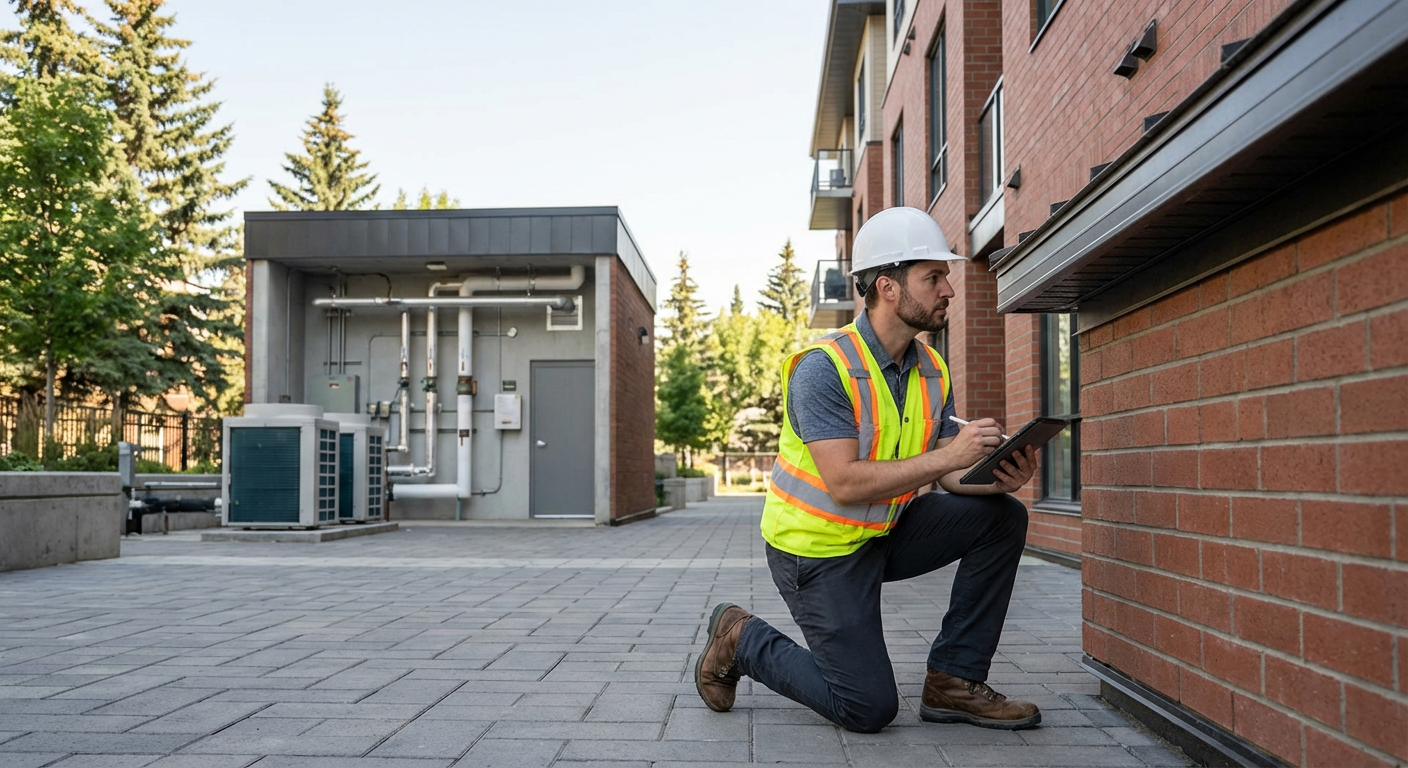
- Plan access to every common area, including roofs, mechanical and electrical rooms, parkades, storage rooms, amenity spaces and the exterior grounds. Mention any unit or exclusive-use area that the engineer specifically asks to see.
- Prepare keys and fobs, and arrange for the manager, superintendent or a director to accompany the engineer.
- Notify residents of the visit date and any common areas that will be accessed.
- Allow enough time. Avoid squeezing the visit between other building events.
- Consider the weather. Exterior and roof review is easier without snow cover, so tell us if snow may hide roofs or paving on your preferred dates.
Safety and Logistics
- Roof access and any known site hazards. Tell us how roofs are reached (hatch, ladder or stairs), whether anchors or guardrails exist, and about any hazards on site.
- Parking and building entry. Arrange visitor parking and any after-hours entry needed.
Who Should Be Involved: Stakeholder Coordination
A reserve fund study draws on more people than the board alone.
The Board and the Kickoff Call
The Regulation requires the study provider to interview members of the board. Brookstone holds a kickoff call with the board, and that call covers this required interview. Use it to share known concerns, upcoming projects and questions you want the study to answer. See common board questions during a reserve fund study kickoff.
Others the Provider May Need to Hear From
The provider must also interview the condominium manager, employees or others as it considers necessary. Line up:
- Property manager. Maintenance history, contractor relationships and financial records.
- Superintendent or building operator. How systems actually run, recurring problems and recent repairs.
- Service contractors. Elevator, mechanical and fire protection contractors whose reports or knowledge help explain a component's condition.
- Original developer. For newer buildings, construction documents and warranty information.
- Related corporations. In phased developments or shared-facilities arrangements, the other corporation's records for shared components.

Professionally Managed or Self-Managed: What to Provide
How your corporation is managed affects where records live and who we talk to. The condominium manager can help gather information, but the Regulation does not allow the manager to act as the reserve fund study provider.
If You Have a Management Company
- Management agreement setting out the manager's responsibilities and authority
- Primary contact at the management company, and how long they have managed the property
- Service scope: what the manager handles (maintenance coordination, bookkeeping, contractor procurement)
- Contractor list with preferred contractors and service providers
- Communication protocol between the manager, the board and owners
If You Are Self-Managed
- Board roles: who handles maintenance, finances and records
- Volunteer expertise: any trades, engineering or finance experience on the board
- Decision-making: how the board approves contractors and spending
- Administrative support: who keeps the books and correspondence
- Contractor management: how service providers are found and overseen
Self-managed boards often hold records in several personal files. Consolidating them before upload is one of the most useful preparation steps.
Working With Your Reserve Fund Study Provider
Kickoff Call with the Board
- Confirm scope, deliverables and the board contact
- Walk through known concerns and planned projects
- Confirm whether a board presentation is included, which depends on the engagement
- Review how your preparation affects the proposal and schedule
The Intake Process
- Upload documents through the client portal before the site visit
- Answer clarification questions promptly
- Confirm site access arrangements
- Keep one board contact for ongoing communication
During the Study
- Keep recording new repairs or expenditures
- Share any records found partway through
- Review the draft report and send back corrections or questions on component findings. Brookstone always issues a draft for the board's corrections before the final report.
After the Report
Once the final reserve fund report is delivered, the board reviews it and approves a reserve fund plan (Regulation s.23(4)). Owners must get a copy of the approved plan before contributions are collected under it (s.23(6)).
Special Considerations for Alberta Boards
Climate Impact Documentation
Alberta weather is hard on building components. Keep records of:
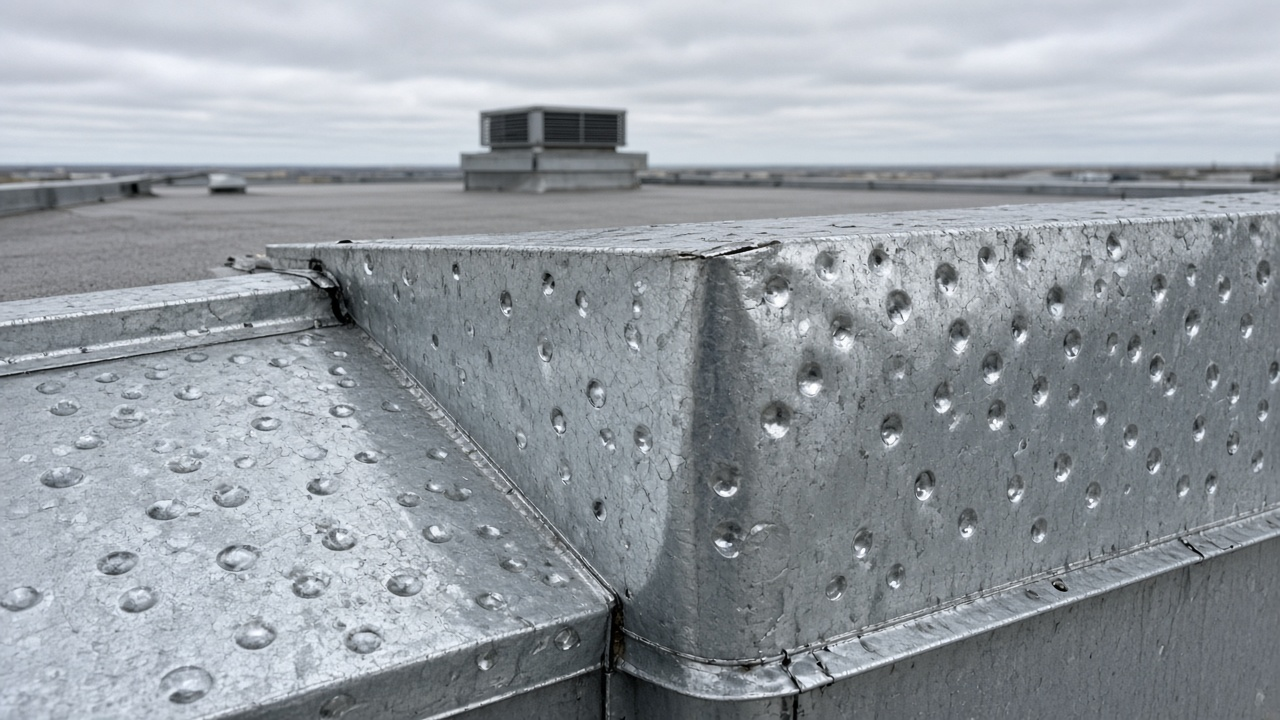
- Freeze-thaw damage, such as concrete spalling, foundation movement or cladding issues
- Hail events and the resulting repairs to roofs, siding or rooftop equipment
- Snow and ice drainage or ice-damming problems
- Cold-weather equipment problems, such as heating or make-up air failures during cold snaps
Multi-Building and Phased Corporations
- Organize documents by building or phase
- Note shared infrastructure and central systems
- Note differences in building age, construction and maintenance history between buildings
- Identify any components shared with another corporation and how costs are split
Energy Efficiency Upgrades
If the board is considering efficiency upgrades, share:
- Current energy consumption data
- Previous energy audits
- Any grant or rebate programs being considered
- Board discussions about sustainability goals
Common Preparation Mistakes to Avoid
Incomplete Financial Information
The problem: Only current-year financials, or missing reserve fund transaction detail, leaves gaps in the trend analysis. The solution: Provide complete statements for recent years and the reserve fund transaction detail.Mixing Operating and Reserve Records
The problem: When operating repairs and reserve expenditures are mixed together, spending patterns are hard to read. The solution: Label records by fund, and ask your accountant to keep the accounts distinct. See condo reserve expenses vs operating expenses in Alberta.Paper Records in Personal Storage
The problem: Records kept in directors' homes get lost when boards change. The solution: Digitize critical documents and keep them in a corporation-controlled location that future boards can access.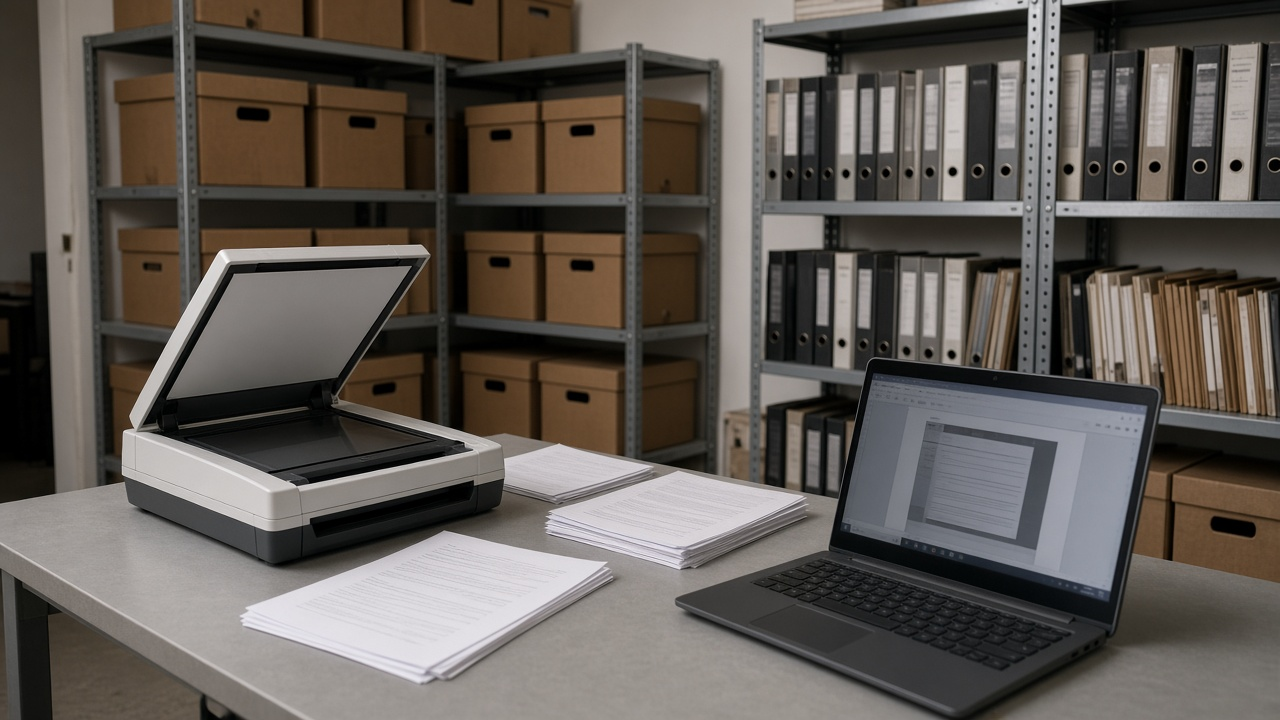
Waiting Until the Last Minute
The problem: Starting document collection after engaging a provider slows the study. The solution: Start gathering as soon as the study is on the board's calendar, and leave time to fill gaps.What Good Preparation Gets You
Boards that prepare before requesting a quote see clear benefits.
What to Have Ready for a Quote
You don't need every document to request a quote. These basics are enough for an accurate proposal:
- The corporation's name, the property address and the condominium plan number
- The number of units and buildings, the building type and the approximate year built
- The date and provider of your most recent reserve fund study, if you have one, and when the board approved the current plan
- Notable shared or amenity components, such as parkades, elevators, pools or shared facilities with another corporation
- Any deadline the board is working to, such as the 5-year renewal or an AGM
- A contact person: a director or the property manager
A Smoother Engagement
- Fewer document requests and follow-ups
- A clearer, more accurate proposal from the start
- Fewer surprises partway through the study
Better Timing
- Faster progress with fewer delays
- Easier board transitions when documents are centralized
- Quicker future updates once a baseline exists
Better Study Quality
- Component findings grounded in real maintenance history
- Better-informed replacement timing
- Recommendations the board can explain to owners with confidence
Stronger Support for the Required Steps
- A fuller document review, as the Regulation requires
- A clear record of what was provided and what was missing

Reserve Fund Studies Across Alberta
We provide reserve fund studies that meet Alberta's condominium reserve fund requirements. Service areas include Reserve Fund Study Edmonton, Reserve Fund Study Calgary and Reserve Fund Study Red Deer.
Ready to get started? Get a Quote →---
Sources & References
- Condominium Property Regulation, Alta Reg 168/2000, ss.21.1 and 23 (Alberta King's Printer): https://kings-printer.alberta.ca/documents/Regs/2000_168.pdf
- Condominium Property Act, RSA 2000, c C-22, s.38 (Alberta King's Printer): https://kings-printer.alberta.ca/documents/Acts/C22.pdf
- Reserve fund study providers, plans and reports (2026) (Government of Alberta): https://open.alberta.ca/publications/reserve-fund-study-providers-plans-and-reports
- Reserve funds (Government of Alberta): https://www.alberta.ca/reserve-funds