Need a Reserve Fund Study in Alberta?
Brookstone Engineering is a reserve fund study provider with in-house APEGA-licensed Professional Engineers (P.Eng.) serving Edmonton Metro, Calgary Metro and Central Alberta. Request a Reserve Fund Study Quote (Alberta)
When your condo board receives a reserve fund study, the condition ratings assigned to major building components shape your long-term financial planning, repair timing and reserve contributions. A reserve fund study assesses the current condition of the corporation's depreciating property, estimates when each component will need repair or replacement, and projects the cost so the reserve fund can be planned over at least the next 30 years. In Alberta, the study must be carried out by a qualified reserve fund study provider as set out in the Condominium Property Regulation, except that a corporation whose condominium plan has 12 or fewer units may carry out the study itself if authorized by special resolution. At Brookstone, that work is done by in-house Professional Engineers (P.Eng.). A new study and plan are required within 5 years of the most recent reserve fund plan's approval.
Knowing how engineers validate condition ratings helps boards make confident decisions, answer owner questions and trust the study's method. Rather than relying on a single opinion focused on immediate repairs, engineers use a systematic, evidence-based approach that combines on-site observation, documentation review, lifecycle benchmarks and repair history.
What Are Condition Ratings and Why Do They Matter?
A condition rating is a standardized description of a component's observed physical state, read together with its age and performance history. Ratings drive three planning elements in your reserve fund study:
Remaining useful life (RUL): A component rated "Poor" will usually have a shorter estimated RUL than one rated "Good," even if both are the same age. Timing of major repairs and replacements: Ratings help boards separate projects that need near-term attention from those that belong later in the plan. A parkade membrane rated "Poor" with visible deterioration signals more urgent action than one rated "Fair." Budget priorities and reserve contributions: When several components approach the end of their service lives at the same time, accurate ratings let boards phase projects and set contributions to reduce the risk of special assessments.The goal isn't to grade your building like a report card. It is to create a repeatable planning baseline that future studies can measure against, so boards can track deterioration over time and adjust funding.
Core Terminology
- Condition rating: A standardized description of a component's observed state, often on a scale such as Excellent / Good / Fair / Poor / Failed.
- Useful life (UL): The expected service life of a component under typical conditions and maintenance.
- Remaining useful life (RUL): The estimated time until major repair or replacement is required, generally useful life minus effective age, adjusted for observed condition.
- Component inventory: The list of reserve-funded depreciating property included in the study.
These terms help boards read the findings and ask informed questions when the study is presented. For a full overview, see what's included in a reserve fund study and how the component inventory is assessed.

What Engineers Are Validating (and What They're Not)
Being clear about scope prevents unrealistic expectations.
What Validation Means in a Reserve Fund Study
When a Professional Engineer validates condition ratings, they are confirming three things:
- Component existence, type and scope: What is actually present, how it is configured, and what is included in or excluded from the study.
- Condition indicators that affect RUL: Visible and functional deterioration, wear, water management problems, corrosion and failure modes.
- Quantities and configuration that affect cost: Component sizes, counts and access constraints that influence replacement complexity and budgets.
The result is documentation that stands up to board scrutiny, auditor review and comparison with future studies.
What Validation Does Not Mean
- Not a guarantee of a failure date: RUL is an estimate based on current condition and typical lifecycles. Actual timing depends on future maintenance, weather and use.
- Not a code compliance audit: The study is a planning-level condition assessment, not a review of conformance with current codes.
- Not destructive testing: Unless separately scoped, the assessment is visual and non-destructive.
- Not contractor pricing: Cost estimates are planning-level budgets based on cost data and experience, not contractor bids.
A reserve fund study is a long-range planning tool, not a repair specification. For what the engineer actually does when collecting this evidence, see our guide to site visit expectations. For timing expectations, see our reserve fund study timeline guide.
The Evidence Stack: How Engineers Arrive at Defensible Ratings
Engineers don't rely on a single observation. They build what we call an "evidence stack": several independent sources of information that should point to the same rating. This reduces subjectivity and makes ratings repeatable.
On-Site Observation: Visual and Functional Cues
The site visit is the foundation. Alberta's Condominium Property Regulation requires the study provider to carry out an on-site visual inspection of all visible components. Engineers look for:
- Visible deterioration: Concrete cracking, spalling (surface breaking away), corrosion staining on metal, UV degradation of roofing membranes and sealant failure.
- Water management clues: Ponding on low-slope roofs, efflorescence (white mineral deposits that show water movement), staining, ice-dam evidence and drainage paths.
- Serviceability and access constraints: Tight mechanical room access that will complicate replacement, roof access limits, parkade clearances and utility conflicts.
In Alberta, engineers pay particular attention to freeze-thaw damage, ice build-up and signs of thermal bridging. Our reserve fund study projects in Edmonton regularly encounter these climate-driven patterns.
Documentation Review: What the Board Provides
Field observations are checked against the building's records:
- Prior reserve fund studies and updates: Comparing past ratings with current conditions shows how fast components are actually deteriorating versus what was predicted.
- Maintenance logs and service reports: These show the level of care and reveal chronic problems.
- Recent invoices and contractor reports: Repair history shows whether a problem is a one-off or a recurring failure that may call for earlier replacement.
- Drawings and specifications: Where available, construction documents confirm materials, installation methods and design intent.
Boards that share complete records through our client portal give the engineer more to work with, which supports better-founded ratings and RUL estimates.
Age and Lifecycle Benchmarks
Engineers start from published lifecycle data and then adjust for observed condition and local factors:
- Typical lifecycle ranges: Industry references, manufacturer data and engineering experience set a baseline useful life for common components.
- Climate and use adjustments: Alberta's temperature swings, freeze-thaw cycles, hail, strong UV exposure and how intensively the building is used can all shorten or extend expected lifecycles.
- Quality and installation: Better materials and good installation tend to extend useful life; lower-grade materials or poor installation shorten it.
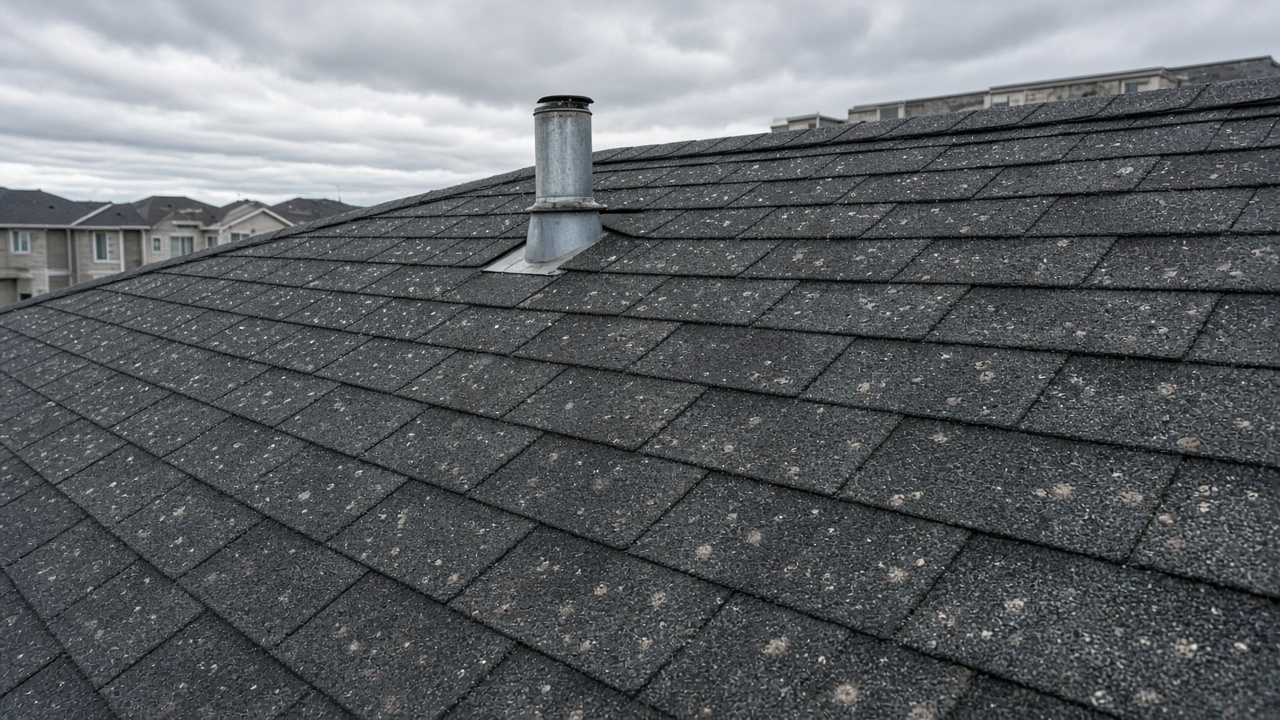
For example, a sloped asphalt shingle roof in Alberta may not reach the service life suggested by generic benchmarks if it has taken repeated hail damage, so the engineer adjusts the RUL to the conditions actually observed.
Repair History and Performance Patterns
Past performance is a strong guide to future performance. Engineers distinguish between:
- Age-based deterioration: Components near the end of their expected life showing normal wear.
- Performance-based failure: Newer components with recurring problems that point to design issues, installation defects or inadequate maintenance.
- "Not old, but failing" versus "old, but performing": A younger envelope sealant with repeated leak repairs gets a more conservative rating than an older sealant with no history of problems.
This distinction matters most when budgets are tight and projects must be prioritized. Functional condition, not just calendar age, should drive spending decisions.
Brookstone's Condition Rating Scale (and How to Read It)
Brookstone uses the five-level scale below. What matters is what each level means for planning.
Brookstone's Five-Level Scale
- Excellent: New or like-new with no visible deterioration; routine monitoring only.
- Good: Minor wear consistent with age; performing as expected; routine maintenance is sufficient.
- Fair: Moderate deterioration; performing adequately, but renewal should be planned in the mid-term; closer monitoring recommended.
- Poor: Significant deterioration; approaching the end of its service life; plan for repair or replacement in the near term; higher risk of unplanned failure.
- Failed: At or past the end of its service life or no longer performing its function; prompt repair or replacement is needed, and any safety concern is raised with the board right away.
What Ratings Mean for Reserve Funding
- Excellent / Good: Routine maintenance comes from the operating budget. These components still sit in the long-term plan, so the reserve builds toward their eventual replacement through regular contributions.
- Fair: Projects fall in the mid-term window, where steady contributions now help avoid special assessments later.
- Poor: The board should confirm the reserve can cover the project when it comes due; contribution increases or project phasing may be needed.
- Failed: Action is likely needed now. Depending on the reserve balance, boards may fund the work from the reserve fund, use a special assessment or financing, or carry out interim repairs until full replacement.
Our reserve fund study work in Calgary often helps boards understand these funding implications and set realistic contribution strategies. For options when the reserve falls short, see special assessment vs. condo loan.
How Engineers Validate Ratings by Component Type
Different building systems call for different evidence. Here's how engineers approach the major categories in Alberta condominiums.
Roofing Systems
Roof condition directly affects the building envelope and everything below it.
- What gets checked: - Roof type and condition: EPDM, TPO, modified bitumen and shingle systems each deteriorate differently.
- Seams and flashings: Waterproofing transitions at penetrations, edges and changes in plane.
- Penetrations: Pipe boots, vents, mechanical curbs and their seals.
- Drainage: Eavestrough and downspout condition, scuppers, roof drains and ponding.
- Visible wear: Surface cracking, granule loss on shingles, membrane shrinkage and UV degradation.
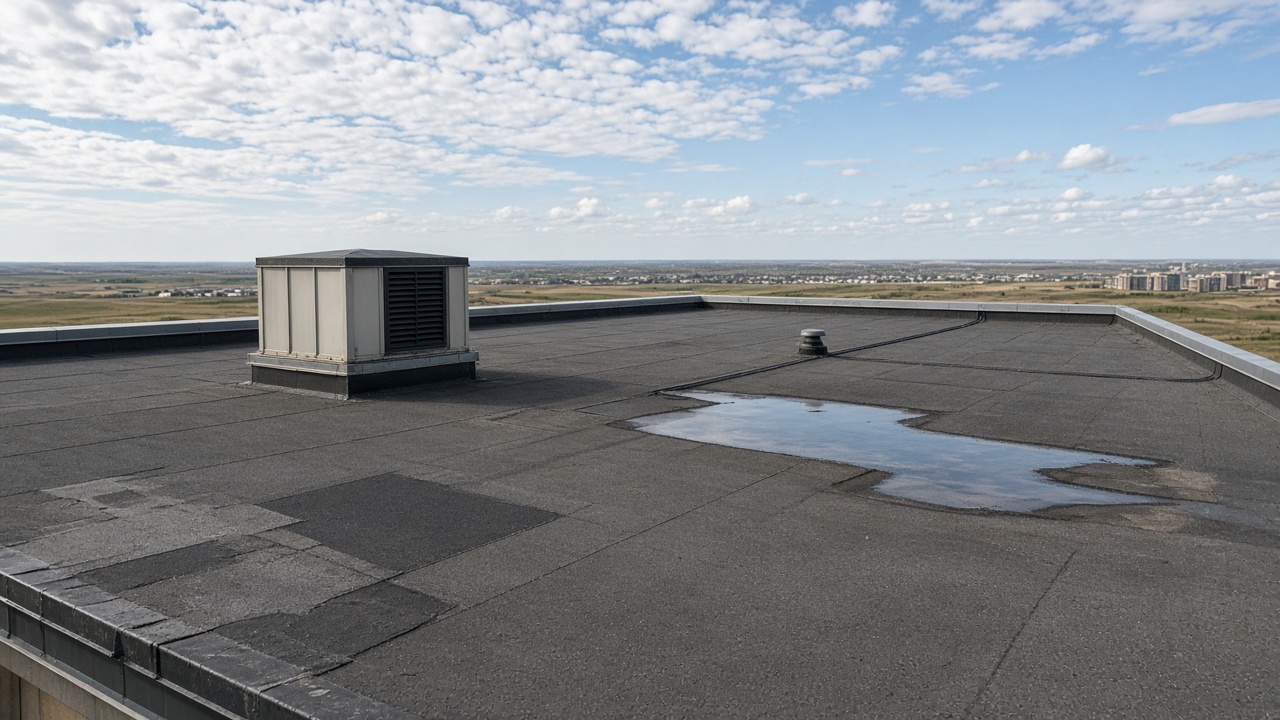
- What changes the rating: - Ponding water: Water that stays on a low-slope roof long after rainfall speeds up membrane deterioration.
- Recurring leaks: Repairs in several different areas suggest a system-wide problem rather than isolated failures.
- Patch density: Extensive patching indicates a roof nearing the end of its service life.
- Edge detail failures: Deteriorated perimeter flashing or fascia creates water entry points.
Winter ice damming, hail and intense summer UV put Alberta roofs under stresses that experienced engineers recognize and factor into ratings.
Building Envelope (Windows, Cladding, Sealants)
The envelope controls moisture, energy performance and interior comfort.
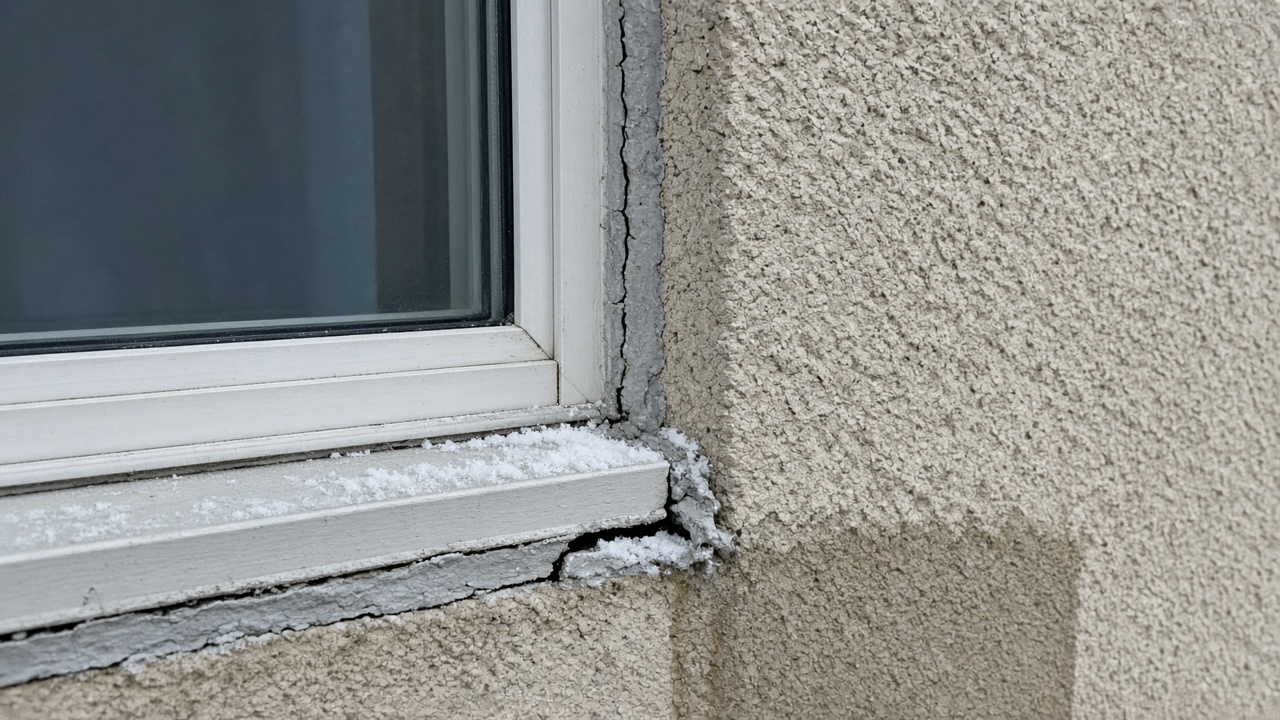
- What gets checked: - Sealant condition: Sealants at window perimeters, control joints and panel transitions.
- Cracking patterns: Structural versus cosmetic cracks; evidence of thermal movement.
- Staining and efflorescence: Signs that water is getting into the wall.
- Movement joints: Function and condition of expansion joints at corners and floor lines.
- Window age and condition: Failed insulated glass seals (fogging), hardware function and frame condition.
Parkade and Structural Elements
Parkades face severe deterioration from de-icing salts carried in on vehicles and from moisture.
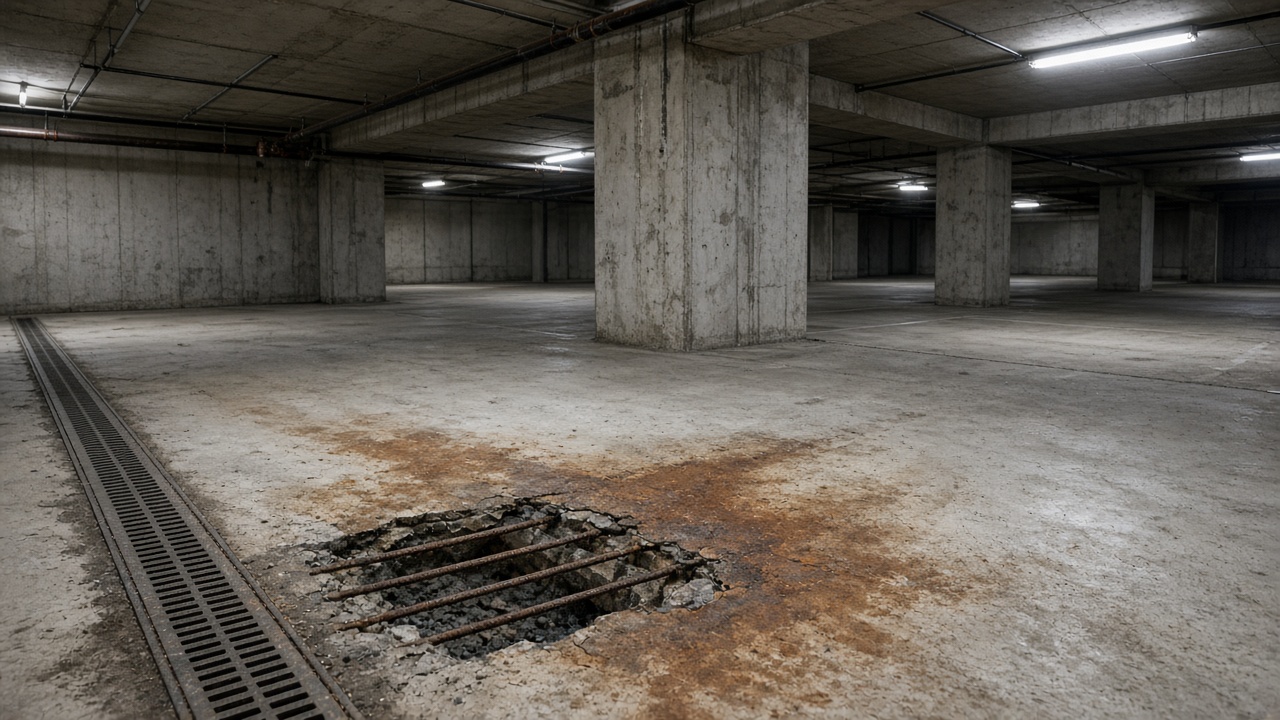
- What gets checked: - Concrete condition: Cracking, spalling and delamination, exposed reinforcing steel and honeycombing.
- Corrosion staining: Rust staining that indicates rebar corrosion, often before spalling is visible.
- Expansion joints: Joint seal condition, membrane terminations and drainage.
- Drainage: Floor slopes, trench drains and ponding.
- Traffic membranes and coatings: Where present, wear patterns and delamination.
Mechanical Systems
Heating, ventilation, plumbing and fire protection systems need more than a visual check of the equipment's surface.
- What gets checked: - Age indicators: Nameplate data, installation dates and service tags.
- Redundancy and capacity: Backup equipment and whether the system appears suited to the building's needs.
- Accessibility: Replacement logistics, crane requirements and access routes.
- Visible condition: Corrosion, leaks, insulation condition and the age of controls.
- Service records: Maintenance frequency, repair costs and parts availability.
Electrical and Life Safety Systems
Electrical systems are assessed at a planning level, not as a code audit.
- What gets checked: - Main distribution: Age and condition of switchgear and panels.
- Common-area lighting: Fixture types, controls and retrofit opportunities.
- Fire alarm system: Age and type (conventional or addressable) and monitoring.
- Emergency systems: Generator presence and age; emergency lighting.
Site and Exterior Common Property
Paving, site structures and drainage complete the inventory.
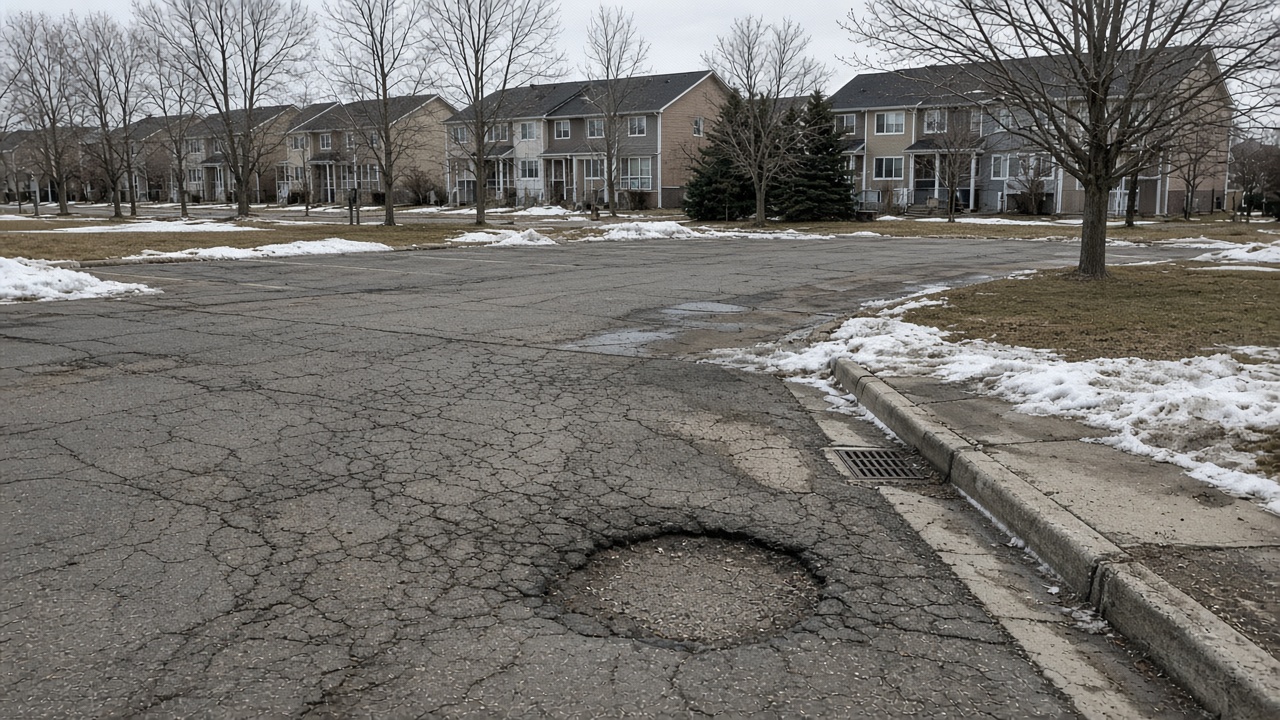
- What gets observed: - Asphalt paving: Cracking, potholes, ravelling and seal coat condition.
- Concrete sidewalks: Settlement, heaving, cracking and freeze-thaw spalling.
- Fencing and gates: Corrosion, stability and hardware.
- Retaining walls: Drainage behind the wall, movement and structural condition.
- Site drainage: Surface flow, catch basins and erosion.
Freeze-thaw cycles speed up pavement deterioration and complicate site drainage across Alberta, and engineers set lifecycle expectations with that in mind.
Why Two Engineers Can Rate the Same Component Differently
Some variation between studies is normal. Knowing where it comes from reduces confusion when boards compare reports.
Sources of Variation
- Documentation: An engineer with complete maintenance records may rate more confidently than one working with little history.
- Access: If an area couldn't be reached, conservative assumptions are needed.
- Risk approach: Some engineers weight worst-case outcomes more heavily; others focus on the most likely outcome.
- Scope definitions: Whether a "roof system" includes eavestroughs or fascia changes what is being rated.
- Exposure judgments: Orientation, shading and microclimate affect how severe exposure is judged to be.
- Maintenance assumptions: RUL partly depends on the assumed future maintenance level.
How Boards Can Reduce Variation
- Share records: Upload prior studies, maintenance logs, service invoices and a known-issues list to our client portal before the site visit.
- Arrange full access: Mechanical rooms, roof areas, parkades, storage areas and exterior spaces.
- Share what you know: Property managers and board members often know about chronic problems; raise them at the kickoff call or during the site visit.
- Define scope early: Clarify common property versus owner responsibility up front.
- Keep continuity: Where practical, using the same firm for updates keeps the method consistent and makes trend comparisons meaningful.
When comparing studies, look at method and qualifications rather than which report has the most optimistic ratings. Ratings that look good on paper but understate deterioration can lead to surprise failures and special assessments. See how to compare reserve fund study quotes in Alberta.
Red Flags That Lead to More Conservative Ratings
Some conditions signal higher risk and justify a shorter RUL regardless of age:
- Active leaks or water ingress: Ongoing water entry means the waterproofing is compromised and will keep getting worse.
- Repeated repairs without a root-cause fix: Repeated temporary fixes point to underlying design or installation problems.
- Corrosion or spalling in structural areas: Especially in parkades, visible deterioration can indicate wider hidden damage that warrants investigation.
- Deferred maintenance: Neglected routine maintenance usually means faster deterioration across the building.
- Safety-related deterioration: Anything affecting life safety or structural integrity is prioritized regardless of the planned lifecycle.
- Trapped moisture: Water held in wall assemblies, roofing layers or below-grade waterproofing causes ongoing damage even without visible surface signs.
Professional Engineers in Alberta must hold public safety paramount, so these red flags are brought to the board's attention. Where an urgent concern is found, the engineer may recommend a separate investigation or repair before the final study is issued.
Board and Property Manager Checklist for Accurate Ratings
Preparation directly affects accuracy. Use this checklist before your reserve fund study site visit, and see our full board preparation checklist.
Documents to Provide
- Prior reserve fund studies: All previous studies and updates, regardless of age or provider.
- Capital project history: Major repairs and replacements with dates, scopes and costs.
- Maintenance records: Service logs for mechanical equipment, roofs, elevators and other systems.
- Repair invoices: Recent repairs, emergency call-outs and contractor reports.
- Warranties: Active warranties on recently replaced components.
- Construction documents: Architectural and engineering drawings, if available.
Information to Compile
- Known-issues list: Chronic problems, recurring failures, board concerns and owner complaints.
- Maintenance program: What routine maintenance and service contracts cover.
- Recent changes: Changes to common property since the last study.
- Budget constraints: Known financial limits, so the engineer can suggest realistic phasing.
Site Access to Arrange
- Roof access: Hatch keys, ladders or lift equipment if needed.
- Mechanical and electrical rooms: Access to every utility space on the day.
- Parkade areas: All levels, storage areas and mechanical spaces.
- Unit access: Usually not needed. If limited access to a unit is required, arrange it with the owner in advance.
Thorough preparation reduces assumptions, follow-up questions and delays, and gives the board a stronger planning document.
Reserve Fund Studies Across Alberta
We provide reserve fund studies for condominium corporations across Alberta, including Edmonton, Calgary and Red Deer.
Ready to get started? Get a Quote →